Travel Tips

Blog, Travel Tips

The Most Underrated Surf City in Portugal

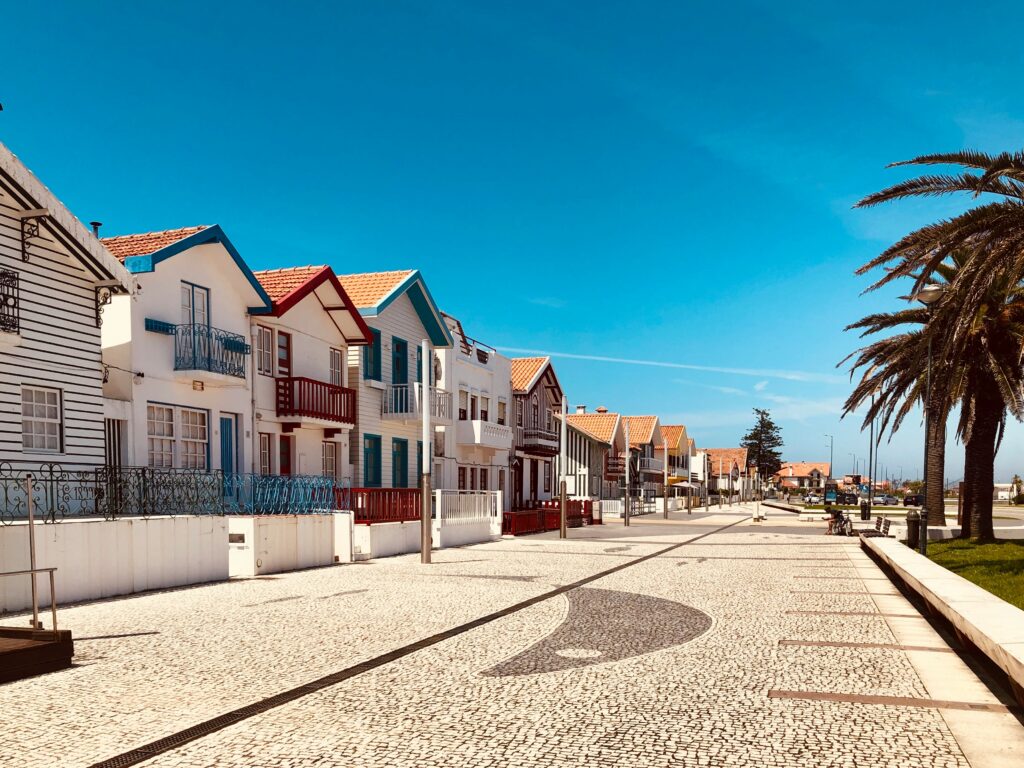
AVEIRO The Most Underrated Surf City in Portugal Join the Tripico Team as we dive into the must-sees and surf hidden gems. Home / Aveiro, often called the “Venice of Portugal” for its picturesque canals and moliceiro boats, holds a secret just a stone’s throw from its charming city center: a vibrant surf scene perfect for solo learners and cultural explorers alike. While most travelers flock to Ericeira or Peniche, the beaches of Barra and Costa Nova offer consistent, beginner-friendly waves without the heavy crowds. Tripico is dedicated to supporting these authentic experiences, ensuring your week is defined by real local connection. Joining a Tripico surf camp means you aren’t just visiting; you are joining a community of like-minded adventurers, turning a solo trip into a shared journey full of new friendships.   Perfect Waves and Better Company For those eager to dip their toes into surfing, the gentle, rolling waves of Praia da Barra are ideal. These expansive sandy beaches are less intimidating than many Atlantic breaks, offering plenty of space to learn. The beauty of traveling with a Tripico group is that you never have to face the white water alone. There is a unique bond formed when you and your new friends cheer each other on during those first wobbly rides. Our goal is to provide a turnkey adventure where the focus remains on progress and the shared laughter of a group reaching their goals together.   Expert Guidance and the Surf Camp Vibe Several reputable surf schools dot the coastline, providing lessons and expert guidance from locals who have spent their lives on these breaks. By partnering with these schools, Tripico ensures your experience supports the local economy. The surf camp vibe is the heart of the trip; after the wetsuits come off, the social energy continues with sunset barbecues and shared dinners. For a solo traveler, this is the ultimate way to meet people from across the globe, transforming a week of sport into a lifetime of memories with a new international crew. The Iconic Stripes of Costa Nova Beyond the waves, the culture of Aveiro blends seamlessly with the relaxed lifestyle of the camp. The iconic palheiros of Costa Nova, with their brightly coloured striped facades, provide a stunning backdrop for your afternoon walks. Tripico suggests exploring these landmarks with your travel mates, allowing you to discover local artisan shops or grab a coffee together without the rigid schedule of a traditional tour. Traveling in a group gives you the safety and confidence to explore hidden architectural gems while enjoying the collective “wow” moments that make travel so special.   A Taste of Local Tradition No trip to Aveiro is complete without indulging in ovos moles, the delicate egg-yolk sweets that are a local legend. After a rewarding day in the water, there’s nothing quite like unwinding at a beachfront cafe with your group, savoring these treats and swapping stories about the day’s best wipeouts. We believe the most authentic festive mood is found in these quiet, local moments—sharing a meal and a laugh with people who started the week as strangers but now feel like family.   Seasonal Magic for Every Group Choosing the right time to visit can change the energy of the trip. Spring and autumn are the “sweet spot” for learners, offering comfortable temperatures and manageable swells. Summer brings a high-energy social atmosphere, perfect for those who love a lively beach scene. Regardless of the season, the beauty of the Tripico group experience is that you always have a “tribe” to experience it with, ensuring that the local pulse of the Aveiro coast is felt through shared discovery rather than a solo map. Final Thoughts An Aveiro Surf-Week is a masterclass in how to combine the exhilaration of the ocean with the warmth of human connection. It’s a destination that welcomes solo adventurers with open arms, providing a supportive group environment to conquer waves and a charming backdrop to discover Portuguese heritage. With Tripico’s commitment to authentic, community-focused travel, you’ll leave the striped houses of Costa Nova with more than just improved surf skills—you’ll leave with a deep appreciation for the spirit of Portugal and a group of friends ready for the next adventure. BLOG & NEWS The Untold Story Fuerteventura : Wind, Wild beaches and Wi-fi • 26 de December de 2025 Europe’s Greatest Christmas Markets: A Guide to Festive Magic • 23 de December de 2025 Northern Lights Lapland : When, where and how ? • 19 de December de 2025 Porto on Foot: Local Gems and Secret Spots • 18 de December de 2025 Azores Expedition • 11 de December de 2025 Tamraght Surf: From Summer Beginners to Winter Point Breaks • 11 de December de 2025

Blog, Travel Tips

Fuerteventura : Wind, Wild beaches and Wi-fi

FUERTEVENTURA Wind, wild beaches and Wi-Fi Fuerteventura has many amazing landscapes to offer, now it’s time to discover this wonderful island ! Home / Fuerteventura is an island of space and contrast. Each town offers a different pace of life, which makes choosing your base an important first step when planning your move.  Places to stay while visiting Fuerteventura   Corralejo, in the north, is vibrant and lively, making it an ideal starting point. The town sits near the famous sand dunes and beaches facing Lobos Island, offering stunning views and plenty of exploration options. You can take surf lessons, wander the dunes at sunset, or enjoy the lively cafés, restaurants, and small shops that give Corralejo its friendly, international vibe. Even a short stay allows you to sample local food, like fresh seafood at La Tasca or tapas at El Moro, while soaking in the town’s energetic atmosphere. This place is Tripico’s favorite.   El Cotillo, on the west coast, has a quieter, more relaxed feel, with calm lagoons such as Los Lagos and La Concha perfect for swimming and unwinding. Rugged cliffs and the old lighthouse area create dramatic views of the Atlantic, ideal for sunset walks or photography. Visitors can enjoy a coffee at El Goloso de Cotillo, known for its fresh pastries and relaxed atmosphere, and try local specialties at Restaurante La Vaca Azul, which serves fresh seafood with stunning ocean views. It offers a taste of unique Fuerteventura’s unique slow life atmosphere.   Morro Jable, in the south, stretches along long white-sand beaches, including Playa del Matorral and the more remote Cofete Beach, framed by mountains and raw landscapes. The town provides a welcoming atmosphere with streets and beaches perfect for strolling or relaxing. Visitors can start the day with a coffee at Cafetería Folelé, known for its pastries and friendly vibe, and enjoy a meal at La Bodega de Jandía, a local favourite serving fresh Canarian cuisine. This place is ideal for those seeking space, sunshine, and calm. Wi-Fi, Connectivity & Everyday Comfort   Fuerteventura combines natural beauty with modern convenience, making it easy for travellers to stay connected while exploring. Many cafés and restaurants in Corralejo and El Cotillo provide strong Wi-Fi, so you can check emails, update social media, or even work for a few hours while enjoying ocean views. Short-term coworking spaces, such as CoWorking Corralejo, allow digital nomads to experience a productive environment during their visit. Fuerteventura is ideal to work efficiently all day, and once your business day is finished, it is also ideal to share your most beautiful pictures of the island!   Mobile coverage across the main towns is reliable, and prepaid SIM cards from Movistar, Vodafone, or Orange are easy to obtain. This ensures you can stay online while exploring beaches, trails, or local villages. Whether posting photos or navigating the island, connectivity is simple and stress-free for visitors. So it’s the perfect time to share your most beautiful Fuerteventura landscapes!   Daily life as a traveller is smooth and enjoyable. Local markets, artisanal shops, and cafés make it easy to sample fresh products, from Canarian cheeses to seafood. Exploring is straightforward, whether you’re heading to the dunes, the Ajuy caves, or a café in Corralejo. Perfect to enjoy the island’s beauty and modernity. Fuerteventura offers you a different view to enjoy each day. What to Do When You’re Off the Clock   Fuerteventura offers a range of activities for every type of traveller. Surfing and kitesurfing are highlights, with schools in Corralejo and El Cotillo offering lessons for beginners and challenging spots for experienced riders. Playa del Matorral, Sotavento, and other beaches provide ideal conditions to enjoy the waves, while long walks along Cofete or Esquinzo let you soak in the island’s amazing landscapes.    If you prefer nature on foot rather than in the water, Fuerteventura is a dream. For travellers who enjoy hiking or walking, these volcanic landscapes rails through desert plains, craters, and viewpoints. Popular spots include the Ajuy caves, the protected areas around Jandía, and the dunes near Corralejo. Long beaches, such as Playa de Cofete, are perfect for resting, reading, or simply enjoying the ocean. Montaña Tindaya, the dunes near Corralejo, and Isla de Lobos are perfect for day trips. These activities give visitors a real taste of the island’s natural beauty, from peaceful lagoons to rugged cliffs.   Evenings on Fuerteventura are tranquil and inviting. Watching the sunset in Corralejo, El Cotillo, or Morro Jable is a daily spectacle, and beach bars or local restaurants offer a chance to sample Canarian dishes and meet fellow people who is here for work or vacations. From tasting fresh seafood to enjoying a coffee at a seaside café with Wi-Fi, the island’s calm energy makes each day balanced and memorable, leaving visitors eager to return.   For travellers who enjoy discovering local culture, Fuerteventura also offers simple and authentic experiences beyond nature. Exploring traditional villages like Betancuria or La Oliva gives insight into the island’s history, architecture, and slower rhythm of life. Local markets and small shops are great places to find handmade crafts, Canarian products, and souvenirs while meeting locals and other travellers. These moments add depth to the trip and help visitors connect with the island beyond its beaches. Final Thoughts Fuerteventura rewards travellers who slow down, stay open, and embrace its wide horizons shaped by wind and ocean. From wild beaches and volcanic landscapes to laid-back cafés with reliable Wi-Fi, the island invites you to explore at your own rhythm, balancing adventure, connection, and calm. When you’re ready to experience Fuerteventura’s natural freedom and relaxed energy, start planning your journey with Tripico. BLOG & NEWS The Untold Story Europe’s Greatest Christmas Markets: A Guide to Festive Magic • 23 de December de 2025 Northern Lights Lapland : When, where and how ? • 19 de December de 2025 Porto on Foot: Local Gems and Secret Spots • 18 de December de 2025 Azores Expedition • 11 de December

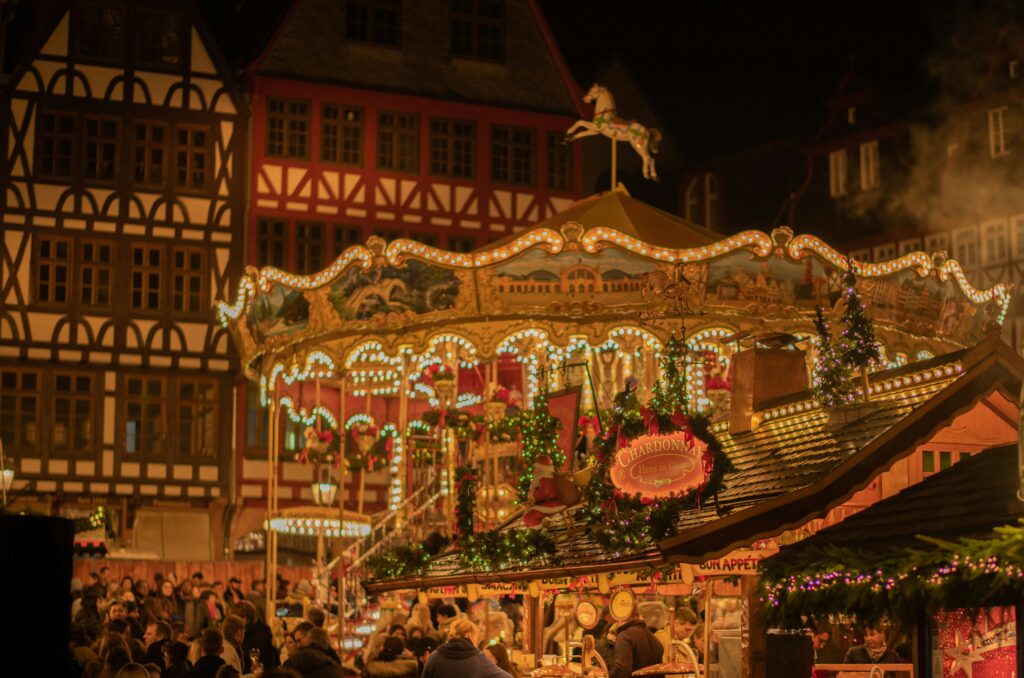
a beautiful historic carousel at the Frankfurt Christmas Market in Germany
Blog, Travel Tips

Europe’s Greatest Christmas Markets: A Guide to Festive Magic

EUROPE’S GREATEST CHRISTMAS MARKETS A Guide to Festive Magic Experience the magic of the season with us — let’s find your perfect winter story. Home / European Christmas markets are more than just shopping destinations; they are historic transformations that turn ancient city squares into glowing, gingerbread-scented wonderlands. From the cathedral squares of Germany to the imperial plazas of Austria, these markets offer a sensory journey through centuries of holiday heritage. However, the true magic isn’t just in the famous lights—it’s in the local traditions hidden between the stalls. To help you navigate these massive events, Tripico suggests seeking out the most authentic Christmas markets to experience a genuine festive mood, ensuring you connect with the local culture rather than just the crowds.   Cologne: The Cathedral Giant The undisputed leader in scale and spectacle is Cologne, Germany, which hosts millions of visitors across several themed zones. The most breathtaking of these sits directly beneath the twin spires of the Cologne Cathedral, where a sea of red-roofed stalls rests under a massive canopy of seventy thousand LED lights. This market serves as the heartbeat of the city’s festivities, offering everything from artisanal wood crafts to the famous local gingerbread. Check the Official Cologne Christmas Guide for a full map of the city’s themed markets.     Strasbourg: The Capital of Christmas Not far away, Strasbourg, France, offers a unique blend of French and German culture. As one of the oldest markets on the continent, dating back to 1570, the entire historic center becomes a festive labyrinth of hundreds of chalets. The city is decorated with massive white teddy bears and elaborate window displays that feel like a scene from a fairytale. Following Tripico’s philosophy of local immersion, travelers here should wander through the narrow alleys of the Petite France district. Visit the Strasbourg Capitale de Noël website for event schedules and artisan listings. Vienna: An Imperial Fairytale In Vienna, the holiday season takes on a regal, imperial tone that reflects the city’s grand history. The Viennese Dream Christmas Market at Rathausplatz is perhaps the most elegant, featuring a massive ice rink that winds through the park trees and light shows that illuminate the Gothic City Hall. The air is filled with the scent of roasted almonds and expensive perfumes, providing a sophisticated backdrop for a winter escape. Explore the Wiener Christkindlmarkt official site for ice skating bookings and performance times.   Prague: The Medieval Hearth Prague’s Old Town Square is famous for its giant, hand-selected Christmas tree and the sound of carols echoing against medieval towers. The market is smaller and more intimate than its German counterparts, focusing on Czech delicacies like chimney cakes (trdelník) and honey wine. Tripico highlights these spots because they allow you to step back in time and enjoy a festive mood that feels untouched by modern commercialism. See the Prague Markets Program for details on the tree-lighting ceremonies and choir performances.   Budapest: The Modern Tradition In Budapest, the market in front of St. Stephen’s Basilica offers a modern twist with spectacular 3D light projections against the church facade. This market has surged in popularity due to its high-quality food stalls and unique handmade gifts. Visiting here is as much about the local rituals as it is about the sights, such as collecting the unique ceramic mugs or soaking in a thermal bath after a cold day of walking. The Budapest Basilica Christmas Market page has daily times for the 3D light shows. Final Thoughts Beyond the glittering lights and the towering trees, the true magic of Europe’s Christmas markets lies in the shared sense of community they foster. These squares become temporary living rooms for the world, where locals and travelers alike gather to pause and celebrate the season. Whether you are navigating the massive crowds of Cologne or finding a quiet corner in Prague, the experience is a reminder of the power of tradition and the warmth of a shared hot drink on a freezing winter night. As the scents of cinnamon and pine fade, you’ll find that the best souvenir is the memory of a city seen through the lens of pure, local joy. BLOG & NEWS The Untold Story Northern Lights Lapland : When, where and how ? • 19 de December de 2025 Porto on Foot: Local Gems and Secret Spots • 18 de December de 2025 Azores Expedition • 11 de December de 2025 Tamraght Surf: From Summer Beginners to Winter Point Breaks • 11 de December de 2025 Cape Verde Diving: Lemon Sharks, Turtles & Lava Reefs • 3 de December de 2025 Morocco: Where Mountains Meet the Desert • 25 de November de 2025
Blog, Travel Tips

Northern Lights Lapland : When, where and how ?

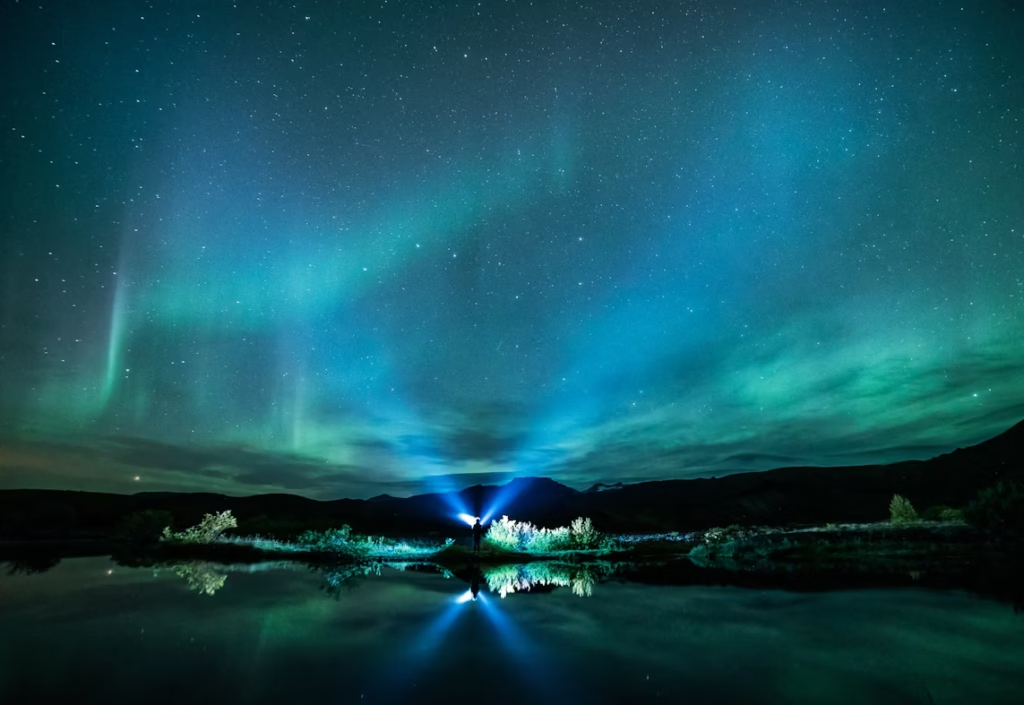
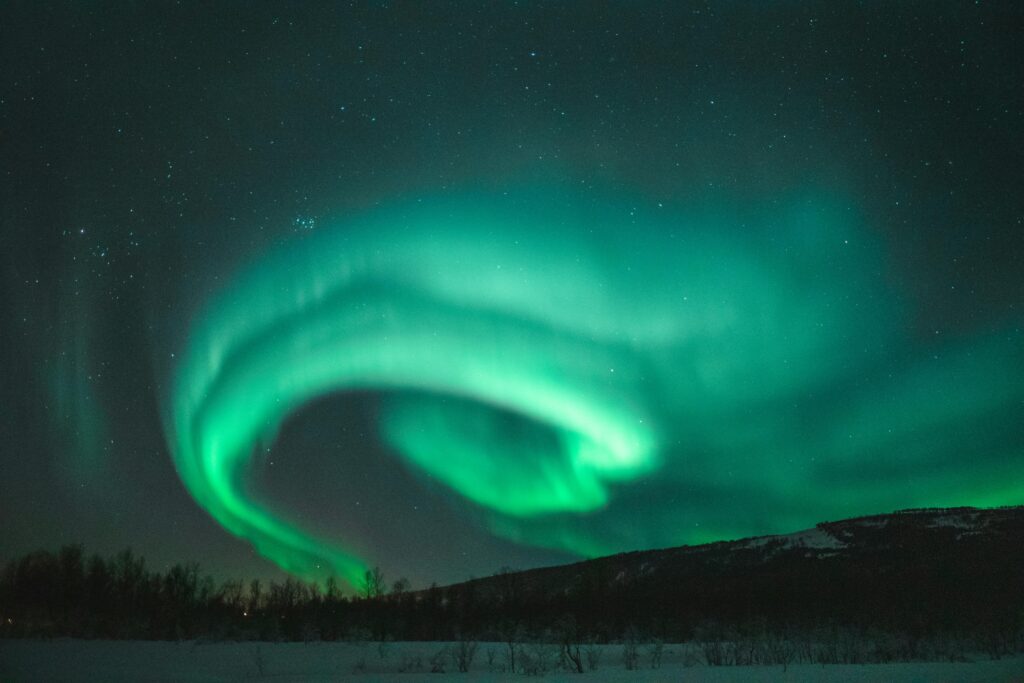
NORTHERN LIGHTS LAPLAND When, where and how ? Seeing the Northern Lights in Lapland is one of the world’s most magical travel experiences Home / Best seasons and best hours to see auroras   Best seasons There are many months when you can see northern lights in iceland. The period extends from September to March. But every months has its specificities.   September to October offers one of the most pleasant periods to chase the Northern Lights. Nights begin to lengthen, temperatures remain relatively mild, and early autumn often brings clearer skies. The landscapes are filled with warm red and golden tones, creating a striking contrast with the auroras.   February to March is a favourite among aurora travellers, as it combines excellent viewing conditions with classic winter experiences. Snow fully covers the region, the nights are still long, and the weather tends to be more stable than in midwinter. Increasing daylight also allows time for activities such as dog sledding or snowmobiling.   November to January represents the heart of the aurora season. These are the darkest months, offering the longest nights and the highest number of viewing hours. Although temperatures are colder and weather can be unpredictable, the deep Arctic darkness makes Northern Lights displays particularly dramatic and unforgettable.   Best hours Northern lights tends to show between 22:00 and 02:00. But nature is always unpredictable, so we advise you stay alert andpatient. Even outside those hours there’s always a chance to see some auroras. So may the chance (and the force) be with you. During the summer, the daylights in Iceland nears 24h. So even if it also is something to see in your life, we advice you to avoid months from June to August if you want to see some auroras. Where to go : the best spot in Lapland Lapland has many incredible places to see the Northern Lights, but if you want THAT spot that consistently delivers, both for the experience and for the photos. Tripico tells you where to go to have the best memories in your pellicle. Abisko : the place to be ! Abisko National Park is often considered the best place in Lapland (and even in the world) to see the Northern Lights, and the amazing begins during the train trip and all the views along. This spot’s fame comes from the unique “Blue Hole” effect, a microclimate that keeps the skies above the park clearer than almost anywhere else in the Arctic. While neighbouring regions may be cloudy or snow-covered, Abisko frequently enjoys open skies, giving travellers some of the most reliable aurora visibility you can find. The landscape there feels like it was crafted for photographers: silent mountains, total darkness, and the giant frozen expanse of Lake Torneträsk reflecting auroras like a natural mirror. With virtually no light pollution, even faint glows become striking to the eye. And when the sky really lights up, green curtains, violet waves, sweeping arcs across the horizon, it feels like stepping into a movie scene. Picture-perfect doesn’t even begin to describe it. But it’s not just about photos. There’s a unique vibe up there: cold, still nights under vast Arctic skies, where you wait in silence for the show to begin. Sometimes the aurora creeps in at the horizon; other times it bursts alive, as if someone flipped a switch. Whether you’re there to snap epic shots, create your best travel reel, or simply live a once-in-a-lifetime moment, Abisko delivers the kind of magic, solitude, and raw beauty only Swedish Lapland can offer. Let’s repeat it : it’s THE place to be for auroras ! How to prepare and maximize your chances Check forecasts: Weather and Aurora activity Before going out, always check both weather conditions and aurora forecasts. Pay close attention to cloud cover, geomagnetic activity such as the KP index, and solar wind data. Using a mix of local weather services and aurora apps helps you identify the best locations where clear skies and strong auroral activity are most likely to align. Escape light pollution Even a short drive of 15–30 minutes away from towns can dramatically improve visibility. Dark skies make auroras brighter and more vivid. Renting a car offers maximum flexibility, and a 4×4 is highly recommended for exploring remote Arctic areas. Guided night tours with local experts are also a safe and convenient alternative. Be patient and flexible Northern Lights rarely follow a fixed schedule. Activity can come in waves, so plan to stay two to three hours at each viewing location. Stay alert, scan the sky regularly, and be ready to move if clouds or weather conditions change. Patience often leads to the most memorable displays. Photography and gear tips To photograph the aurora, bring a sturdy tripod and a wide-angle lens, ideally between 14 and 24 mm. Common settings include ISO 1600–3200, a shutter speed of 5–15 seconds, and an aperture around f/2.8. Shooting in RAW allows better editing flexibility. Cold temperatures drain batteries quickly, so bring spares and use a headlamp with a red-light mode to protect night vision. What to pack : Essential winter and night gear Lapland nights can be extremely cold, so dress in warm thermal layers, waterproof and windproof outerwear, and well-insulated boots. Gloves, hats, neck warmers, and hand warmers are essential for long waits outdoors. Extra batteries, memory cards, and a reliable headlamp will make the experience smoother. Safety and practical advice Weather conditions in Lapland can change rapidly, so always check road and weather alerts before heading out. Roads may be icy, especially in winter, making a 4×4 more comfortable outside main routes. Avoid walking on frozen lakes or sea ice, which can be unstable, and whenever possible, travel with others. Keep your phone and GPS fully charged to ensure a safe return. Final Thoughts Swedish Lapland rewards those who come prepared, stay curious, and embrace its beautiful Arctic landscapes. Chase the aurora with respect for nature, enjoy local culture, and let the wild beauty of the

Porto, Portugal
Blog, Travel Tips

Porto on Foot: Local Gems and Secret Spots

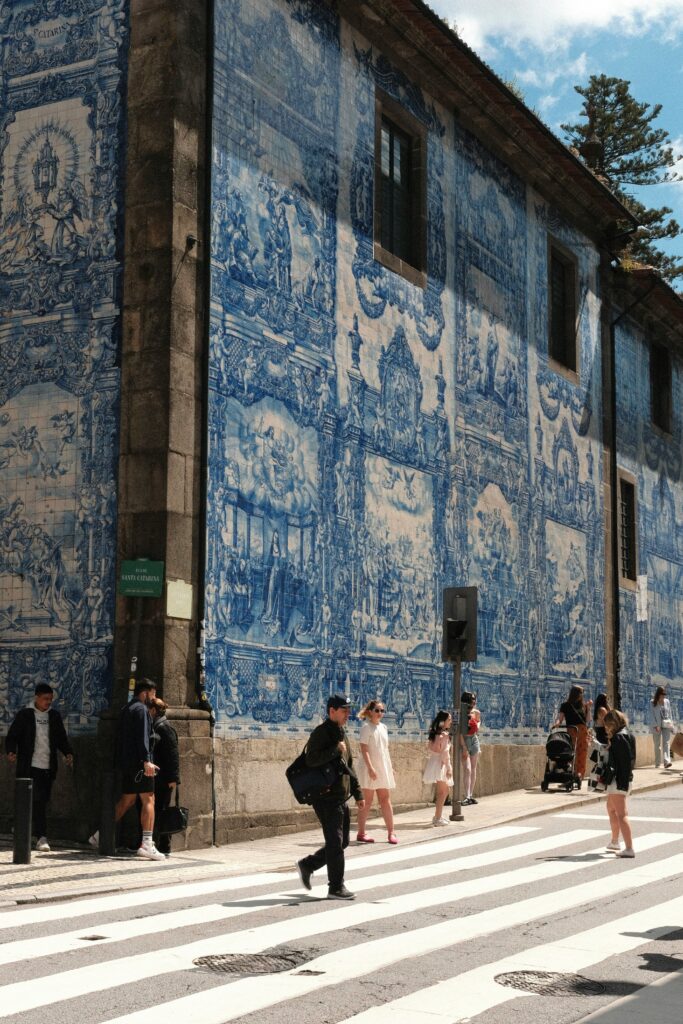
PORTO ON FOOT Local Gems and Secret Spots The best way to get to know Porto is to simply walk. Join Tripico!  Home / The best way to get to know Porto is to simply walk. This is a city made for wandering—up steep stone steps, through narrow alleyways, and across hidden squares that never make it into the guidebooks. Every turn seems to reveal something new: a glimpse of the Douro, a wall of azulejos glowing in the sun, or the smell of fresh bread drifting from a tiny bakery.   Walking at Porto’s Pace Porto isn’t a place to rush. On foot, you notice the little details—the old men chatting outside cafés, the laundry hanging high above your head, and the sound of church bells mixing with street music. The hills can be a workout, but the views at the top are always worth it.   Secret Corners to Explore Instead of heading straight to the Ribeira where most visitors go, slip behind the Sé Cathedral and into the quiet backstreets. Here you’ll find family-run pastry shops, quiet chapels, and viewpoints that feel like your own private discovery. And when it comes to port wine, don’t stop at the big names along the river. Cross over to Vila Nova de Gaia and look for the smaller, family-owned wine cellars. They might not have flashy signs, but they welcome you like an old friend, and the stories you’ll hear over a glass of tawny are just as rich as the wine itself.   Beyond the Stone: Where the Douro Meets the Sea While the city center is a labyrinth of stone and history, the walk along the river toward the Atlantic offers a different kind of magic. As you follow the Douro’s curve toward the Foz do Douro district, the narrow alleys give way to wide, salt-sprayed promenades. This is where locals go to clear their heads, watching the traditional rabelo boats bobbing in the water while the sun sets behind the Arrábida Bridge. It’s a flat, scenic stroll where the city’s golden light feels even more intense, and the reward at the end is the sight of the ocean waves crashing against the Felgueiras Lighthouse. The Sanctuary of Hidden Terraces If the hills become too demanding, the Jardins do Palácio de Cristal offer a sanctuary hidden right in the middle of the city. While many visitors come for the peacocks and the famous domed pavilion, the real secret lies in the terraced gardens tucked away on the lower slopes. Here, you can wander through groves of camellias and find a stone bench shaded by ancient trees with a panoramic view of the river below. It is a place to pause and realize that in Porto, the best sights aren’t always monuments—they are the quiet, green spaces where you can simply catch your breath.   Why Walking Matters What makes Porto so special is how much is hidden in plain sight. Around one corner you might stumble into a lively mural; around another, a tavern buzzing with locals sharing petiscos. Walking lets you feel the rhythm of the city—that mix of tradition and everyday life that you can’t catch from a bus window.   Everyday Life in Porto The real soul of the city reveals itself in ordinary scenes: children playing football in a square, neighbors greeting each other on narrow staircases, and the aroma of grilled sardines wafting from a tiny tavern. These moments remind you that Porto isn’t just a destination—it’s a living, breathing community. Final Thoughts The City That Stays With You Because it refuses to trade its secrets for convenience. Porto is a city of weathered granite and salt air, where the atmosphere is shaped by the clinking of glasses in a neighborhood tasca rather than a tour guide’s clock. It rewards those who are patient enough to get lost and curious enough to look past the main monuments. Tripico believes that the most meaningful travel happens in these unplanned gaps—the extra hour spent talking to a local craftsman or the quiet morning spent in a hidden garden. We focus on small, like-minded groups to ensure the experience remains intimate and respectful of the local pace. Come walk through the heart of Porto with us—not as a visitor looking in, but as a traveler truly part of the scene. BLOG & NEWS The Untold Story Azores Expedition • 11 de December de 2025 Tamraght Surf: From Summer Beginners to Winter Point Breaks • 11 de December de 2025 Cape Verde Diving: Lemon Sharks, Turtles & Lava Reefs • 3 de December de 2025 Morocco: Where Mountains Meet the Desert • 25 de November de 2025 Beyond Lisbon: Exploring Local Neighborhoods for Remote Work & Lifestyle • 19 de November de 2025 Sahara, Soft-Packed: From Dunes to Desert Camps • 11 de November de 2025
Surfer riding a large, powerful turquoise point break wave in winter, Tamraght surf spot.
Blog, Travel Tips

Tamraght Surf: From Summer Beginners to Winter Point Breaks

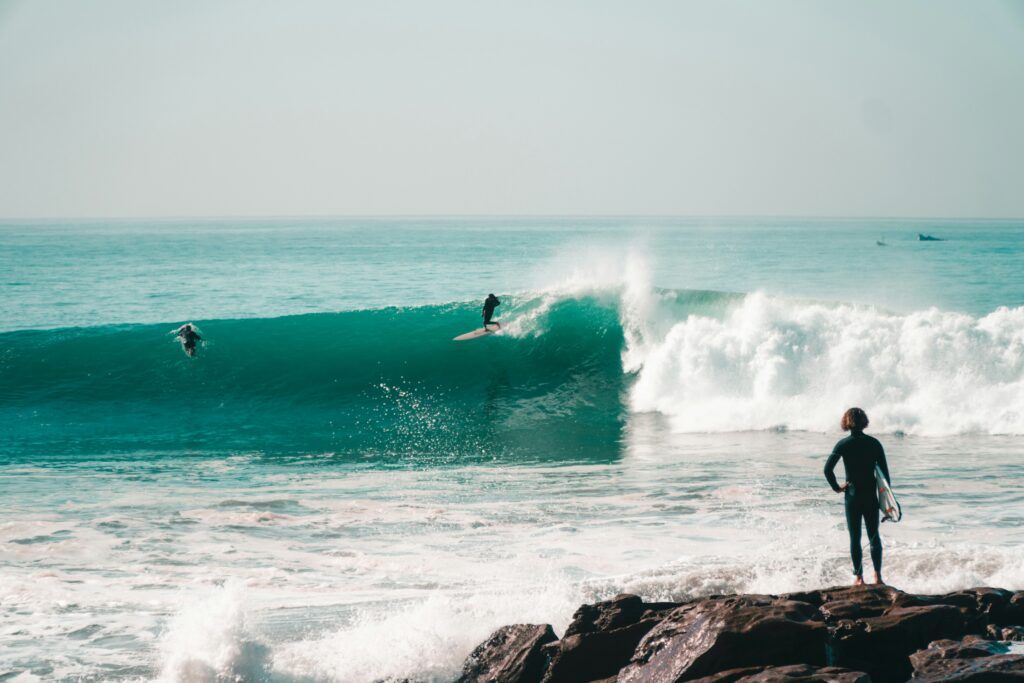
TAMRAGHT SURF From Summer Beginners to Winter Point Breaks Join the Tripico Team. The waves here don’t care about your follower count! Home / The waves here don’t care about your follower count. Tamraght is a stretch of Atlantic coast nestled between the villages of Aourir and Taghazout, where the Atlas Mountains shake hands with the ocean. One main road, a handful of bustling cafés, a vibrant mosque on the hill, and a line-up of accessible, world-class waves that still feel like a local secret. No high-rises, no jet-skis, just goats on the cliffs and the smell of grilling fish drifting over the terraces every evening.   The Summer Playground (May–September) This is when Morocco turns the difficulty dial down to “forgiving”. Swells are smaller and friendlier, offshore winds are rare but not missed, and the water is bath-warm (21–24 °C). Perfect for learning without the intimidation factor. Banana Beach & Panorama – wide sandy beaches with multiple peaks breaking gently over sand. You can literally walk from your breakfast table to the line-up in flip-flops. Hash Point (summer mode) – a mellow right that peels slowly enough for ten turns on a longboard or your first proper cutback on a mid-length. Devil’s Rock – soft shoulders, almost never crowded before 10 a.m., and the local surf schools use it as their outdoor classroom. Tripico camps sit right above these spots. You wake to the sound of waves, drink coffee watching the sets, and paddle out with a coach who learned to surf here when boards were still made of wood.   The Winter Arena (October–April) This is when Tamraght shows its teeth – in the best possible way. North-Atlantic swells march straight down the coast, wrap around the points and deliver some of the longest, cleanest rights on the planet. Anchor Point (a short drive north) – the crown jewel. On a solid northwest swell with east wind it can give you rides longer than most people’s attention spans. Killer Point (a short drive north) – hollow, fast, and occasionally visited by pods of orcas hunting the same fish schools you’re surfing over. La Source & Mysteries (easily accessed) – tucked-away rights that only fire on bigger days. Tripico’s drivers know every dirt track and will have you there before the first set hits. Imsouane – 50 minutes north. The Bay serves Africa’s longest rideable wave; the Cathedral point is a hollow gem when the swell is north. Water drops to 17-19 °C, so bring a good 4/3 and booties for the dawn patrol cobblestones.   Beyond the Waves Tamraght is still a working fishing village first, surf town second. Fishermen mend nets at sunrise while surfers wax boards beside them. By noon the catch is on the grill and every small restaurant competes for the title of best sardines in Morocco (they’re all excellent). Afternoons off? Hike the hills for argan goats in trees, visit Paradise Valley for a freshwater swim, or just lie on a rooftop with mint tea and let the call to prayer remind you what day it actually is. Evenings belong to the terraces: tagine, live music drifting up from the cafés, and conversations that start in four languages and end with everyone speaking broken English and laughing too loud.   When to Come First-timers & longboarders: May to September – warm water, gentle waves, sunset sessions in boardshorts Intermediate & advanced: November to March – powerful points, empty line-ups, 6–12 ft faces on the good days Year-round sweet spot: October and April – smaller crowds, decent size, perfect weather Why Tamraght Still Feels Different Because the village never sold its soul. The waves got famous, but the people stayed the same – curious, proud, and quick to invite you for tea even if you just dropped in on their set. Tripico was born in places like this: small local houses instead of hotels, breakfast cooked by the family who owns the riad, guides who charge your phone when the power cuts and remember how you like your coffee after day one.   Final Thoughts Why should you join Tripico? Come ride perfect waves, eat fish straight off the boat, and leave with friends you didn’t have two weeks ago. BLOG & NEWS The Untold Story Morocco: Where Mountains Meet the Desert • 25 de November de 2025 Beyond Lisbon: Exploring Local Neighborhoods for Remote Work & Lifestyle • 19 de November de 2025 Sahara, Soft-Packed: From Dunes to Desert Camps • 11 de November de 2025 Gran Canaria for Nomads: Micro-Climates, Neighborhoods and Productivity Hotspots • 22 de October de 2025 Madeira Magic: Explore the Island’s Wonders • 15 de October de 2025 Azores Unplugged: Hot Springs, Crater Lakes & Whale Routes • 13 de October de 2025

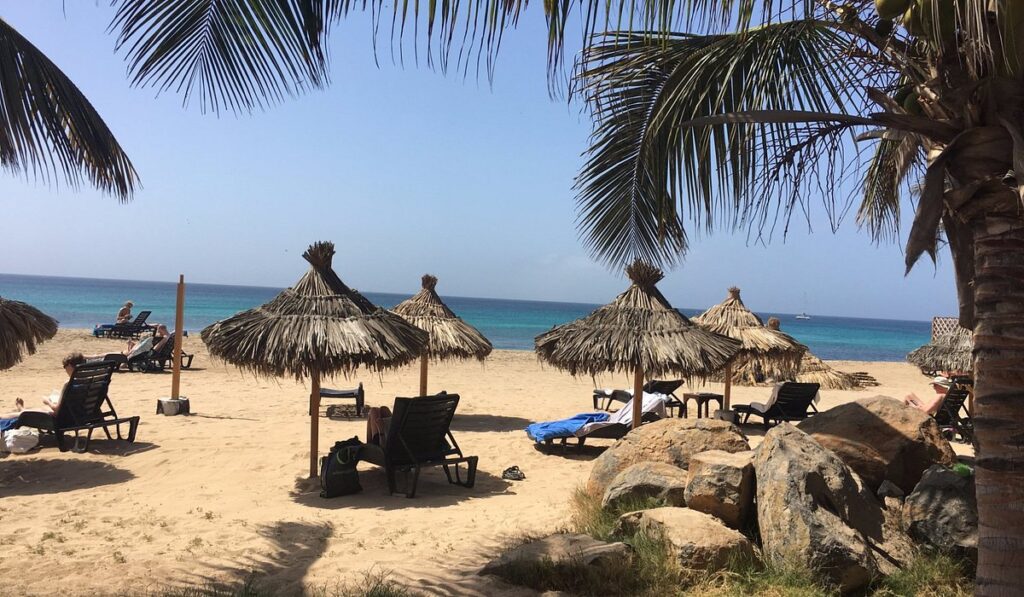
Relaxed beach scene at Santa Maria
Blog, Travel Tips

Cape Verde Diving: Lemon Sharks, Turtles & Lava Reefs

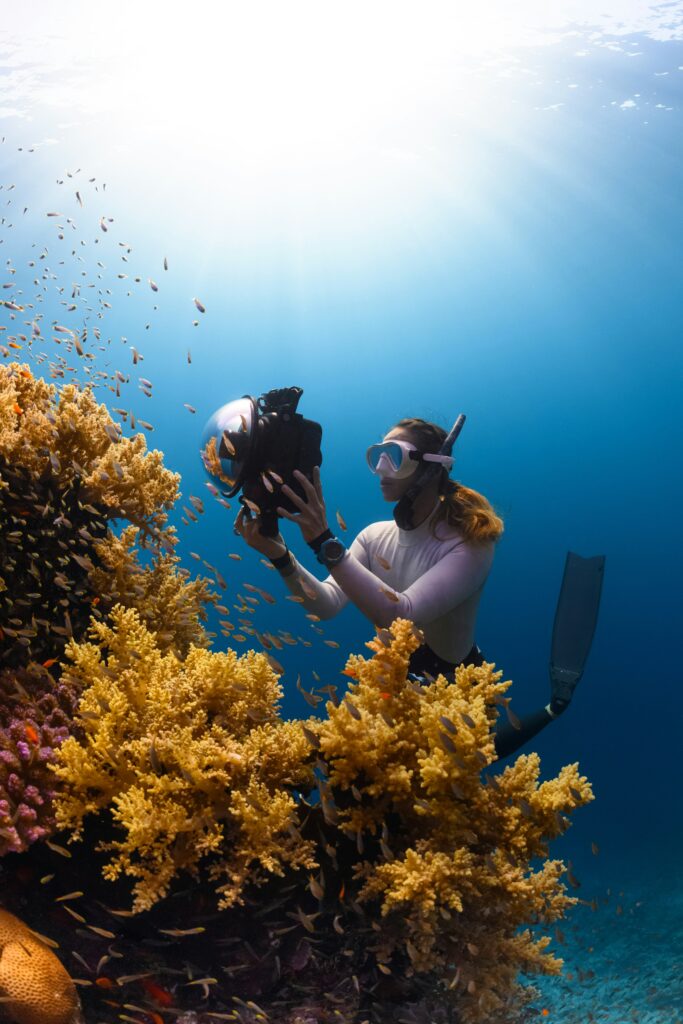
CAPE VERDE DIVING Lemon Sharks, Turtles & Lava Reefs The ocean here still has stories it hasn’t told everyone yet. Join with Tripico! Home / Cape Verde lies 500 kilometres off the coast of West Africa – ten volcanic islands scattered across a patch of Atlantic that stays warm and clear the whole year. Most people arrive on Sal, step off the plane into dry heat and bright light, and within an hour they’re in the water.   The Famous Lemon Shark Encounter The first thing everyone wants to see is the lemon sharks. From December to May dozens of females, some over three metres long, rest in the shallow sandy bay just outside Santa Maria. You walk in from the beach with a guide, settle on your knees in waist-deep water and wait. The sharks cruise past slowly, close enough to see the remoras on their backs and the old scars on their fins. Nothing is fed, nothing is forced; they simply tolerate your presence. It’s one of the easiest, safest and most impressive shark encounters you can have anywhere. With Tripico you do it the way the local fishermen always have – barefoot from the same beach, no crowds, just you and the sharks.   Classic Reef Diving Around Sal When you’re ready for deeper water, the reefs around Sal are only minutes away by boat. Green and hawksbill turtles feed on almost every dive, octopus tuck themselves into lava cracks, and schools of jacks and barracuda patrol the blue. Visibility is usually 30 metres or more, and the water temperature rarely drops below 24 °C.   Volcanic Drama on São Vicente A short flight or a pleasant ferry ride takes you to São Vicente and the town of Mindelo. The diving here is completely different. Lava flows have created tunnels, arches and deep walls covered in black coral and bright orange cup corals. The sites around Salamansa and Baía das Gatas are perfect for photographers – plenty of wide-angle scenery and macro subjects in the same dive. Night dives are especially good; Spanish dancers are common and sleeping parrotfish look like ghosts inside their mucus bubbles. Santa Luzia – The Pristine Reserve The highlight for many is the two- or three-night trip to Santa Luzia, the only uninhabited island in the archipelago and a strict marine reserve. Because so few boats are allowed to stay overnight, the reefs are in outstanding condition. Large groupers swim right up to you, mantas visit the cleaning stations from June to October, and whale sharks sometimes appear between July and November. The Tripico boat is a comfortable catamaran; you dive during the day, eat fresh fish on deck at sunset and sleep with the sound of waves against the hull.   A Piece of History Above the Water One easy half-day trip that almost everyone enjoys is the visit to Pedra de Lume on Sal. The village sits inside the crater of an extinct volcano, and the old salt pans are built directly on the crater floor, just above sea level. From the 18th century until the 1980s this was one of the country’s main industries; salt was loaded onto ships through a small cable-car system that still hangs above the water. Today the pans are no longer commercial, but you can walk the wooden piers between the pink-and-white salt mounds, visit the tiny museum, and float in the natural brine lake that is even saltier than the Dead Sea. The contrast of the white salt, black volcanic rock and bright blue sky makes it one of the most photographed spots on the island, and it’s only fifteen minutes from Santa Maria.   Life Between Dives Cape Verde refuses to let you treat it like just a dive destination. On Sal, mornings often start with coffee on Santa Maria’s main square while fishermen unload their catch on the pier. The town is small and easy to walk around: a few shops, supermarkets, banks, restaurants and beach bars line the streets. Fresh fish or lobster is available at most places for lunch or dinner, and prices remain reasonable.   When the itinerary moves to São Vicente, the base is Mindelo, the cultural and historic centre of the archipelago. The town is compact, with a working port, a fish market, several good restaurants and a handful of live-music venues. Evenings are usually spent walking between cafés and bars on Rua Lisboa or around the main square. The choice of food is wider than on Sal – fresh octopus, goat’s cheese, local stews and daily catches are standard.   When to Go Best months for calm seas and the warmest water: May to November Peak lemon-shark season: December to May Water temperature: 23–29 °C year-round Visibility: 25–40 m almost all year   Final Thoughts Why Cape Verde remains special? It combines warm, clear water and charismatic megafauna with a sense of genuine discovery. The sites are not overrun, the infrastructure is comfortable yet discreet, and the welcome is warm without ever feeling commercialised. Tripico lives for this kind of travel: small groups, local families feeding you, real conversations that turn into real friendships. Come experience Cape Verde the way it’s meant to be experienced – as an insider, not a visitor.   BLOG & NEWS The Untold Story Azores Expedition • 11 de December de 2025 Tamraght Surf: From Summer Beginners to Winter Point Breaks • 11 de December de 2025 Morocco: Where Mountains Meet the Desert • 25 de November de 2025 Beyond Lisbon: Exploring Local Neighborhoods for Remote Work & Lifestyle • 19 de November de 2025 Sahara, Soft-Packed: From Dunes to Desert Camps • 11 de November de 2025 Gran Canaria for Nomads: Micro-Climates, Neighborhoods and Productivity Hotspots • 22 de October de 2025
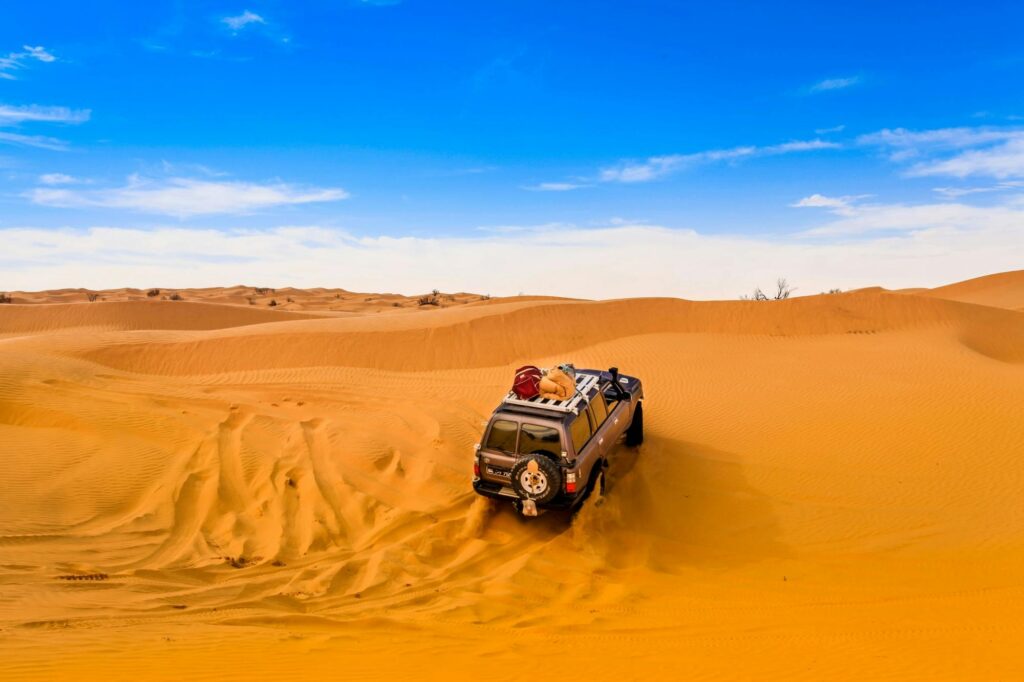
Off-road Vehicle in the Sahara Desert
Blog, Travel Tips

Morocco: Where Mountains Meet the Desert

MOROCCO EXPEDITION Where Mountains Meet the Desert From the snow-capped peaks of the Atlas Mountains to the golden dunes of the Sahara, Morocco is a country that stirs all the senses. Home / A Land of Contrasts Morocco is a mosaic of landscapes: bustling cities like Marrakech and Fez, coastal breezes in Essaouira, the cinematic valleys of Ouarzazate, and the silent majesty of the Sahara Desert near Merzouga. In one day, travelers can cross the High Atlas Mountains, pass through Berber villages, and end up among the dunes — watching the sun set behind camel silhouettes. The charm lies in this variety: ancient medinas filled with storytellers, aromatic souks, and wide-open desert skies that feel endless.   Culture & People Morocco’s identity is shaped by the Amazigh (Berber) heritage, visible in its architecture, music, and hospitality. Locals welcome guests with mint tea — a symbol of friendship — and take pride in their traditional crafts, from carpets and pottery to argan oil produced by women’s cooperatives. Languages: Arabic and Amazigh are official; French is widely spoken, and English is increasingly common in tourist areas.  Religion: Islam (most businesses close briefly during prayer times).  Currency: Moroccan Dirham (MAD). ATMs are reliable and often give better rates than airport exchange counters.   Travel Practicalities SIM Cards & Connectivity: Maroc Telecom, Inwi, and Orange offer affordable local SIMs. Around €20 gets you 20GB — perfect for maps and WhatsApp. Drones: Strictly prohibited. Customs will confiscate any drone upon entry. Weather: Spring (March–May) and autumn (September–November) are the best seasons — warm days, cool nights, and fewer crowds. Dress Code: Modest, especially in rural areas; light clothing for day, layers for cool desert nights. Getting Around: Roads are generally good. Organized tours and private drivers are ideal for longer routes such as Marrakech–Merzouga. Essential Experiences Explore Marrakech — Lose yourself in the Medina, visit Bahia Palace, and watch the spectacle of Jemaa el-Fna square after sunset. Cross the Atlas Mountains — A dramatic drive full of panoramic viewpoints and traditional villages. Visit Aït Ben Haddou — A UNESCO-listed ksar famous for its mud-brick architecture and movie history (Gladiator, Game of Thrones). Camp in the Sahara — Ride dromedaries into the dunes, sandboard at sunset, and fall asleep under a thousand stars. Taste Local Life — Try tajine, couscous, and sweet mint tea; visit an argan oil cooperative to support local women artisans.   Smart Travel Tips Carry cash in small denominations — not all shops or cafés accept cards. Avoid overpacking — Morocco’s markets are perfect for souvenirs and clothes. Negotiate gently — haggling is part of the fun, not a fight. Bring a scarf or shawl — useful for sun protection and modesty when visiting mosques. Keep a reusable water bottle — and stay hydrated, especially in the desert.   Experience Morocco with Tripico Let Morocco move you — from the winding alleys of Marrakech to the silent beauty of the Sahara.With Tripico, every journey is designed for travelers who seek more than sightseeing — those who want to feel, taste, and connect. Final Thoughts Travel through mountains, valleys, and dunes with local guides who open the doors to authentic Morocco. Stay in handpicked riads, visit Berber cooperatives, and share mint tea under desert stars. Discover Morocco the Tripico way — where every mile tells a story. BLOG & NEWS The Untold Story Beyond Lisbon: Exploring Local Neighborhoods for Remote Work & Lifestyle • 19 de November de 2025 Sahara, Soft-Packed: From Dunes to Desert Camps • 11 de November de 2025 Gran Canaria for Nomads: Micro-Climates, Neighborhoods and Productivity Hotspots • 22 de October de 2025 Madeira Magic: Explore the Island’s Wonders • 15 de October de 2025 Azores Unplugged: Hot Springs, Crater Lakes & Whale Routes • 13 de October de 2025 Living Like a Local in Marrakech: A Cultural Immersion Guide • 17 de September de 2025

Blog, Travel Tips

Beyond Lisbon: Exploring Local Neighborhoods for Remote Work & Lifestyle

BEYOND LISBON Exploring Local Neighborhoods for Remote Work & Lifestyle Let’s explore some of Lisbon’s most characterful areas that are drawing remote professionals from around the world. Home / Lisbon has become one of Europe’s top destinations for digital nomads and remote workers. But beyond the tourist-packed streets of Baixa and Chiado lies a network of authentic neighborhoods where community, tradition, and modern convenience blend perfectly.   Graça Tradition Meets Creative Energy Graça sits high on one of Lisbon’s famous hills, offering sweeping views of the city and the Tagus River. Known for its Miradouros (viewpoints), narrow streets, and timeless charm, Graça balances old-world Portugal with a growing creative scene. For digital nomads, Graça offers a slower pace while still being close to downtown. Cafés with Wi-Fi, local bakeries, and affordable apartments make it a practical base. The neighborhood is also famous for its lively festas in June, bringing a strong sense of community.   Alfama The Soul of Lisbon Lisbon’s oldest district, Alfama, is a maze of cobbled alleys, tiled houses, and the haunting sound of Fado music drifting from taverns. While it’s touristy at first glance, many locals still call Alfama home, giving it a unique authenticity. For remote workers, Alfama can feel like living inside a postcard—morning coffees in small squares, afternoons spent working from a rooftop terrace, evenings exploring wine bars. The trade-off? Narrow streets and smaller apartments. But for those seeking atmosphere over space, Alfama delivers   Campo de Ourique Community & Convenience Away from the hills and crowds, Campo de Ourique feels more residential and balanced. Known for its food market, leafy streets, and mix of families and expats, it’s a neighborhood with everything within walking distance. Remote workers value its co-working cafés, reliable infrastructure, and friendly vibe. It’s also well connected by tram and bus, making it easy to reach other parts of Lisbon. If you want a blend of community life and work convenience, Campo de Ourique is a strong choice.       Intendente and Mouraria: Diversity and Innovation For those seeking an edgier vibe, Intendente and Mouraria are districts full of cultural fusion. Once overlooked, they’re now hubs of art, gastronomy, and entrepreneurship. International restaurants, street art, and coworking hubs make them hotspots for young professionals. The atmosphere is vibrant, sometimes chaotic, but always inspiring. Nomads who thrive in diverse, multicultural settings will find plenty of inspiration here.   Why Local Neighborhoods Work for Digital Nomads Lisbon is not just about iconic tram rides and pastel-colored streets. Choosing the right neighborhood can shape your entire lifestyle as a remote worker. Graça gives you views and tradition, Alfama offers history and atmosphere, Campo de Ourique provides comfort and balance, while Intendente and Mouraria bring diversity and innovation. Final Thoughts Living beyond the central tourist zones allows remote workers to connect more deeply with Lisbon’s local culture, while still enjoying the infrastructure that makes the city a global nomad hotspot. BLOG & NEWS The Untold Story Sahara, Soft-Packed: From Dunes to Desert Camps • 11 de November de 2025 Gran Canaria for Nomads: Micro-Climates, Neighborhoods and Productivity Hotspots • 22 de October de 2025 Madeira Magic: Explore the Island’s Wonders • 15 de October de 2025 Azores Unplugged: Hot Springs, Crater Lakes & Whale Routes • 13 de October de 2025 Living Like a Local in Marrakech: A Cultural Immersion Guide • 17 de September de 2025 Best Practices When Traveling: Your Guide to Eco-Traveling Responsibly • 9 de June de 2025

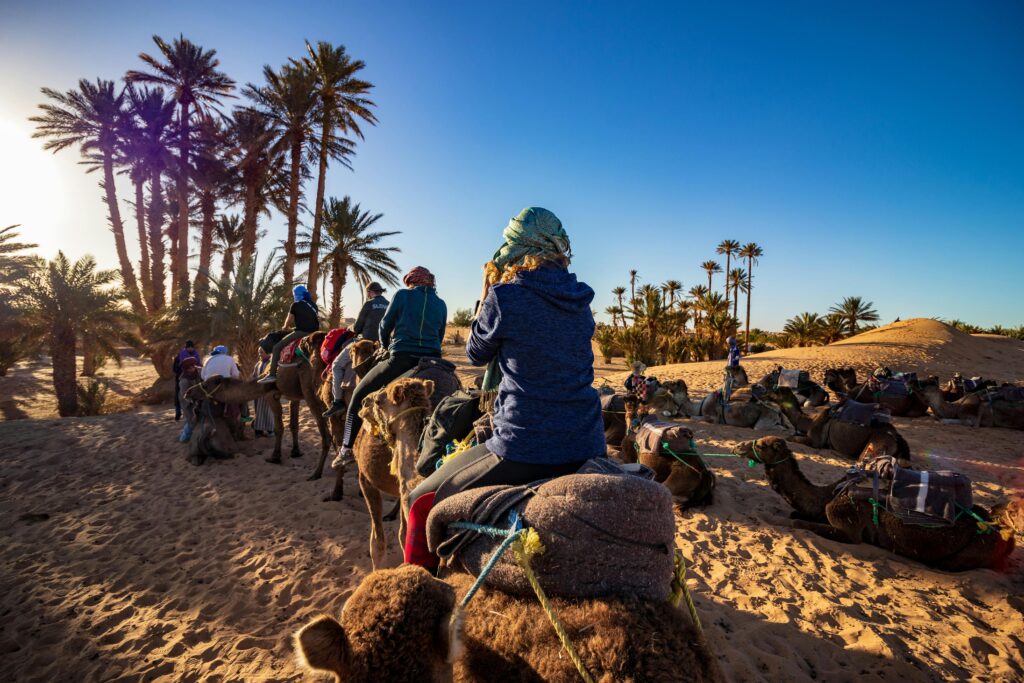
People Riding Camels
Blog, Travel Tips

Sahara, Soft-Packed: From Dunes to Desert Camps

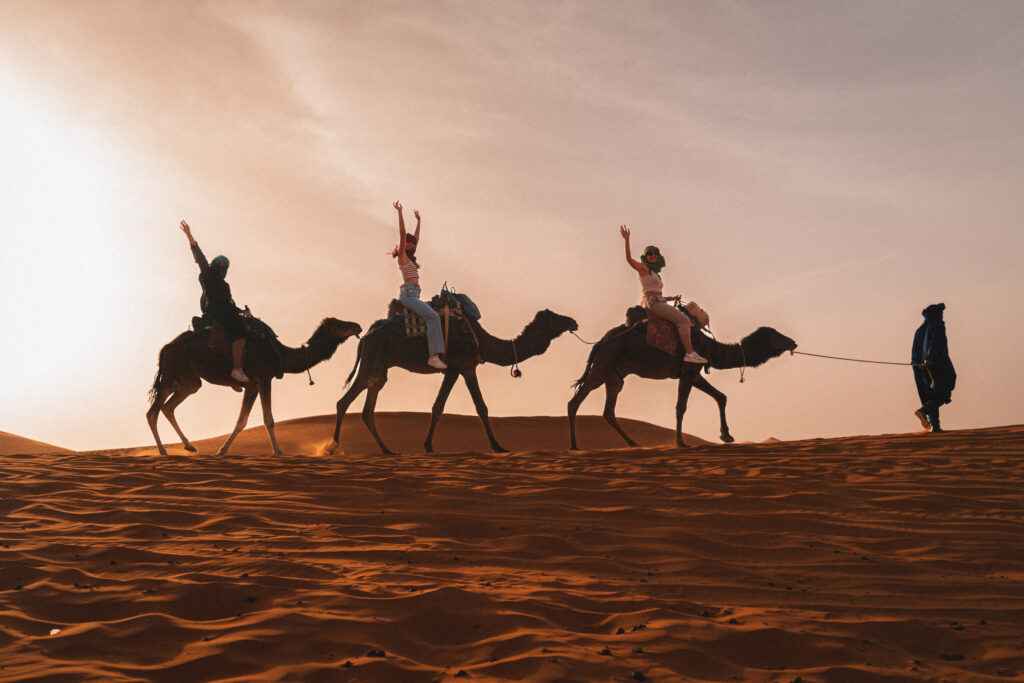
SAHARA SOFT-PACKED From Dunes to Desert Camps An unforgettable 2–3-day adventure across Morocco’s most iconic landscapes. Home / The Call of the Dunes There’s a moment, somewhere past the Atlas Mountains, when the green valleys fade, the air turns golden, and the road seems to melt into infinity. This is the call of the Sahara — timeless, vast, and utterly magnetic. Embark on a local expedition to Morocco’s desert frontier, starting from Marrakech and traveling through cinematic landscapes, Berber villages, and palm-fringed valleys before reaching the golden dunes of Merzouga. This is not just a trip — it’s a journey through centuries of culture, color, and silence.   Through the Atlas Mountains The adventure truly begins as you leave Marrakech and climb the winding roads of the High Atlas Mountains. The views are nothing short of breathtaking — rugged cliffs, terraced fields, and roadside cafés perched above deep valleys. A stop at a women-run argan oil cooperative reveals one of Morocco’s hidden treasures: the production of argan oil, often called liquid gold. The process is meticulous, the results fragrant and rich — perfect for tasting or testing on your skin. Further along the route lies Aït Ben Haddou, a UNESCO World Heritage site whose mud-brick walls have stood for centuries. Once a key stop on ancient caravan routes, this fortress-like ksar is now known to film fans worldwide for Gladiator, Lawrence of Arabia, and Game of Thrones. Walking through its narrow alleys feels like stepping into history itself.   The Road to the Desert Past Ouarzazate — the “Gateway to the Desert” — the landscapes change. The ochre cliffs of Dades Valley rise dramatically, shaped by wind and time into the surreal “Fingers of the Monkeys.” Alongside the winding road stand kasbahs and small Berber villages, their earthen walls glowing red in the afternoon sun. Continuing toward the Todra Valley, you follow ribbons of green oasis lined with date palms until the dunes of Merzouga finally appear — vast, golden, and impossibly still. The sensation is immediate: this is another world.   A Night Among the Dunes From the edge of Merzouga, travelers trade wheels for hooves and set off by dromedary caravan into the heart of the desert. The rhythmic pace of the camels, the whisper of sand, and the deepening sunset turn the journey into something almost timeless. Before reaching camp, there’s time for sandboarding and photos in traditional Berber attire — a playful nod to the nomadic past. As dusk settles, you arrive at a glamping site nestled among the dunes. Dinner is served under a canopy of stars, accompanied by the sounds of Berber drums and dancing around the bonfire. It’s a scene that captures the soul of the Sahara: simplicity, connection, and endless space.   The Journey Back As dawn breaks, the desert glows in soft hues of pink and gold. Watching the sunrise over the dunes is a moment that stays with you long after you leave. After breakfast, the caravan returns to the edge of the desert, and the long, scenic drive back to Marrakech begins. The road unfolds through mountains and valleys once more, with rest stops every few hours to stretch, take photos, and enjoy local meals. By evening, the red city welcomes you back with familiar warmth and energy. Spend your last night exploring the Jemaa el-Fna square, where snake charmers, storytellers, and food stalls bring Morocco’s magic to life.   A Final Taste of Marrakech Before your flight, there’s time to wander through the Medina, browse vibrant souks for spices and carpets, or visit iconic landmarks like Bahia Palace and the Majorelle Gardens. Enjoy mint tea on a rooftop terrace as the city hums below — the perfect farewell to Morocco.   Traveler’s Essentials Money & Connectivity: ATMs are available at the Marrakech airport near SIM-card vendors (Maroc Telecom, Inwi, Orange). A 20 GB local SIM costs about €20. Drones are strictly banned in Morocco — they’ll be confiscated at customs. Packing List: Lightweight clothing for warm days and layered outfits for cool desert nights Scarf or headwrap for sun and sand protection Sunglasses, sunscreen, and a reusable water bottle Portable charger or power bank Comfortable walking shoes or sandals Small cash in dirhams for personal purchases The Essence of the Sahara This journey across Morocco is more than a route — it’s a rhythm. From the cool peaks of the Atlas to the glowing dunes of Merzouga, each stop adds a layer to the story: landscapes shaped by time, traditions kept alive by people, and nights so still that you can hear your own heartbeat. The Sahara, soft-packed, is comfort without luxury, adventure without rush, and beauty without filter. It’s Morocco at its most elemental — a journey written in sand, silence, and starlight.   Begin Your Sahara Story with Tripico The Sahara is more than a destination — it’s a feeling, a rhythm, a silence that stays with you long after you leave. With Tripico, you don’t just visit the desert — you experience it. Our small-group expeditions are designed for curious travelers who want to see Morocco beyond the postcards: crossing the Atlas Mountains, visiting Berber villages, and sleeping under a million stars in Merzouga. Final Thoughts Travel responsibly, connect locally, and rediscover adventure — one dune at a time.Book your Tripico Sahara Expedition today and let the desert show you its magic. BLOG & NEWS The Untold Story Gran Canaria for Nomads: Micro-Climates, Neighborhoods and Productivity Hotspots • 22 de October de 2025 Madeira Magic: Explore the Island’s Wonders • 15 de October de 2025 Azores Unplugged: Hot Springs, Crater Lakes & Whale Routes • 13 de October de 2025 Living Like a Local in Marrakech: A Cultural Immersion Guide • 17 de September de 2025 Best Practices When Traveling: Your Guide to Eco-Traveling Responsibly • 9 de June de 2025 5 Hidden Desert Camps in Merzouga for an Unforgettable Sahara Experience • 26 de May de 2025

Scroll to Top