Blog

Your blog category

The Power of Micro-Climates
Blog, Travel Tips

Gran Canaria for Nomads: Micro-Climates, Neighborhoods and Productivity Hotspots

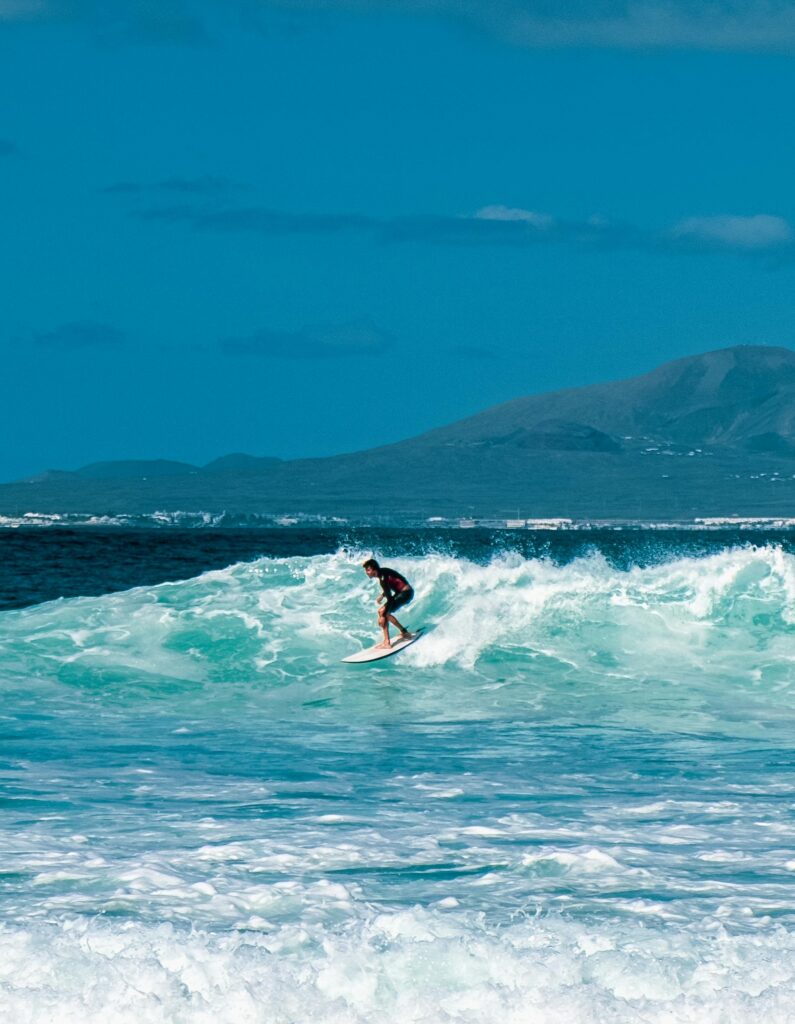
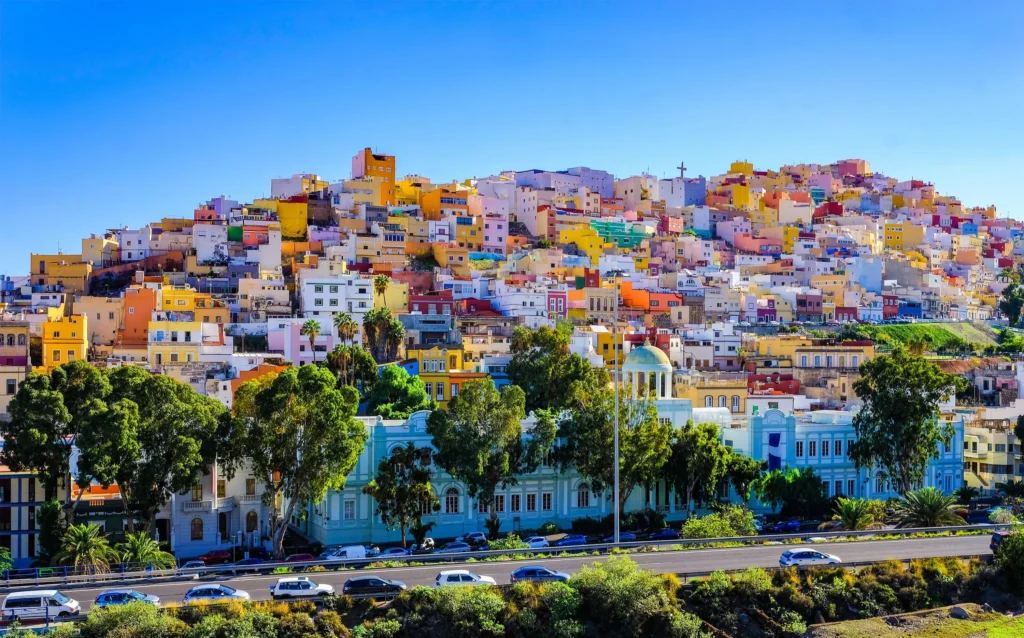
GRAN CANARIA for NOMADS Micro-Climates, Neighborhoods & Productivity Hotspots Join the Tripico Team as we dive into the must-sees and hidden gems of Gran Canaria. Home / Our journey begins on the stunning island of Gran Canaria, often called the “Little Continent” for its striking diversity. Within a few hours, you can move from lush jungle valleys to volcanic cliffs, golden sand dunes, and the deep blue Atlantic. It’s a place where every corner feels like a new world — and for digital nomads, it offers the rare combination of lifestyle, productivity, and adventure.   At the heart of it all lies Las Palmas de Gran Canaria, the island’s vibrant capital. Frequently ranked among the world’s top ten destinations for digital nomads, the city blends a near-perfect climate with a cosmopolitan yet relaxed atmosphere. With year-round spring temperatures, fiber-optic connectivity, and a thriving international community, Las Palmas has become one of Europe’s most dynamic hubs for long-stay remote workers.   Las Palmas: A City of Neighborhoods Las Palmas feels like many cities in one. Each neighborhood has its own rhythm, community, and lifestyle — making it easy to find your ideal base.   The area around Las Canteras Beach is the most popular among nomads. You can surf before work, open your laptop at a beachfront café, and end the day with a sunset swim. It’s lively, social, and perfect for those who love to balance work with outdoor energy.   Nearby Guanarteme attracts creatives and long-stayers. It’s packed with coworking spots, coliving apartments, and local bars where ideas flow easily. Those seeking charm and culture often move to Vegueta or Triana, the city’s historic heart. Cobbled streets, art galleries, and colonial houses create a slower, more authentic vibe. For a quieter life, Ciudad Jardín and Ciudad Alta offer leafy streets and peace — just a short bus ride from the coast.   Coworking by the Sea Las Palmas has one of the strongest coworking ecosystems in the Canary Islands. Spaces like Sky Coworking, Work-Labs, and The House offer high-speed internet, 24/7 access, and bright, modern interiors.   If you prefer a community vibe, Ecoisleta and CoworkSurf mix coworking with coliving – adding events, dinners, and surf sessions.The setup makes it easy to meet other professionals while keeping your work routine stable.   You can move easily between beach cafés, coworking hubs, and mountain getaways. That flexibility is exactly what makes the island so special for remote workers. The Power of Micro-Climates Gran Canaria’s landscape changes dramatically  within minutes. The north is green and cool, the south dry and sunny, and the center often rises above the clouds.   You can spend your morning under palm trees and your afternoon hiking in a jacket at Pico de las Nieves (1,949 m). It’s a natural playground for creativity and balance — the perfect antidote to monotony.   Whenever you need a break, drive inland for mountain air or head south to Maspalomas, where golden dunes meet the Atlantic. This diversity keeps both body and mind refreshed.   Weekend Escapes & Local Life In less than an hour from Las Palmas, the Agaete Valley reveals a greener, slower world. It’s home to Europe’s only coffee plantation growing the Arabica typica variety, surrounded by whitewashed villages and volcanic soil. Close by, natural rock pools form with the tide — fragile ecosystems that locals carefully protect.   At night, you can join a snorkeling tour to spot octopuses, manta rays, and starfish coming out to feed. Higher in the mountains, Pico de las Nieves offers panoramic views and a glimpse into the island’s ancient past. Here, the first settlers once held rituals among the volcanic rocks.   And when it’s time to recharge, nothing beats a surf lesson along the Atlantic coast — pure energy and salt air to clear the mind.    The Nomad Rhythm Gran Canaria offers something rare: a place where work, nature, and culture coexist effortlessly. You can start your day with coffee by the sea, join a coworking event at noon, and hike above the clouds by sunset. Through Tripico, travelers can explore beyond the tourist routes — discovering the island’s coffee farms, sacred peaks, and authentic local life. And if you decide to stay longer, check our guide to the Digital Nomad Visa, your ticket to making this island your next remote home.  Final Thoughts When to Go? The best time to visit is March–May or September–December. You’ll find mild weather, fewer tourists, and better flight prices. Temperatures usually stay between 18 °C and 27 °C — eternal spring in every sense. BLOG & NEWS The Untold Story Madeira Magic: Explore the Island’s Wonders • 15 de October de 2025 Azores Unplugged: Hot Springs, Crater Lakes & Whale Routes • 13 de October de 2025 Living Like a Local in Marrakech: A Cultural Immersion Guide • 17 de September de 2025 Best Practices When Traveling: Your Guide to Eco-Traveling Responsibly • 9 de June de 2025 5 Hidden Desert Camps in Merzouga for an Unforgettable Sahara Experience • 26 de May de 2025 Nomad’s Guide to Chefchaouen: Work, Hike, Repeat • 20 de May de 2025
Blog, Travel Tips

Madeira Magic: Explore the Island’s Wonders

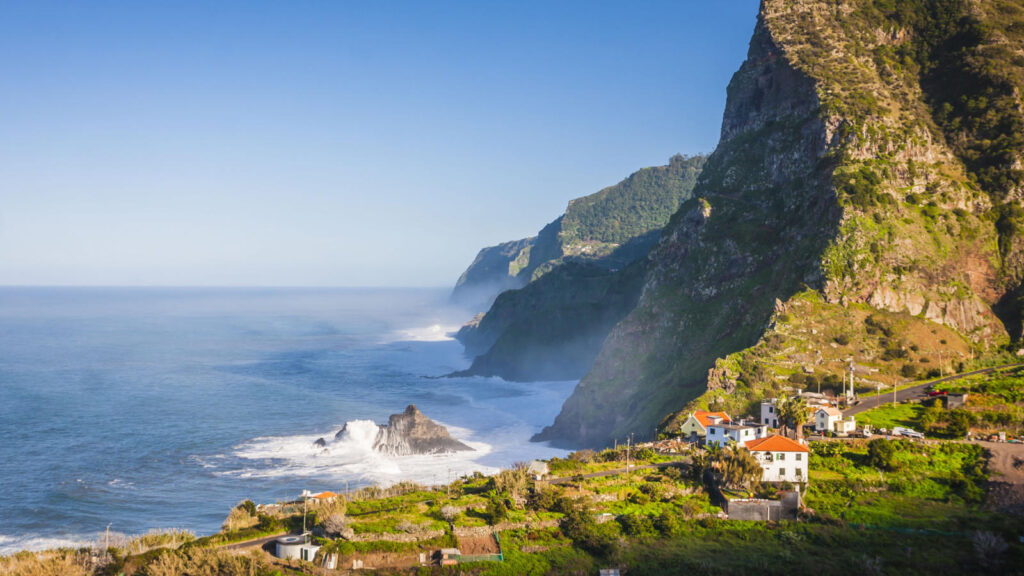
MADEIRA MAGIC Explore the Island’s Wonders Join the Tripico Team as we dive into the must-sees and hidden gems of Madeira. Home / Funchal: The Heart of the Island Your journey begins in Funchal, Madeira’s vibrant capital. Wander through the colorful Mercado dos Lavradores, where locals sell exotic fruits and fresh flowers. Stroll the Old Town streets lined with painted doors, or ride the Funchal Cable Car for breathtaking views over the bay. Tripico Tip: Don’t miss the Monte Palace Tropical Garden, where art and nature blend into a peaceful retreat.   Pico do Arieiro to Pico Ruivo: Hiking Above the Clouds Madeira is world-famous for its mountain hikes, and the trail between Pico do Arieiro (1,818 m) and Pico Ruivo (1,862 m) is an unforgettable adventure. Jagged peaks, cloud-covered valleys, and panoramic views make this trek a highlight of any trip. Tripico Tip: Start early in the morning to catch the sunrise—it’s an otherworldly sight you’ll never forget.   Levada Walks: Madeira’s Unique Trails The island’s ancient levadas (irrigation channels) offer hundreds of kilometers of scenic walking paths. From gentle routes through banana plantations to adventurous hikes in laurel forests, levadas are perfect for all levels. One of the most popular is Levada das 25 Fontes, leading to waterfalls hidden deep in the forest. Tripico Tip: Pack good shoes and a light rain jacket—the microclimate can surprise you!   Cabo Girão Skywalk: Europe’s Highest Cliff For a thrill, head to Cabo Girão, one of the highest sea cliffs in Europe (580 m). The glass skywalk platform lets you step “into the air” with the Atlantic crashing below—a true adrenaline moment. Tripico Tip: Go around sunset to see the sky paint the ocean gold and crimson. Porto Moniz: Natural Lava Pools On the island’s northwest coast lies Porto Moniz, famous for its natural volcanic rock pools filled with clear seawater. It’s the perfect spot to swim, relax, and soak in the island’s wild beauty. Tripico Tip: Combine a visit here with a drive along the old coastal roads, which reveal dramatic views and hidden villages.   A Taste of Madeira: Food & Wine No trip is complete without sampling the island’s flavors. Try the legendary Madeira wine, a sweet and fortified delight. Pair it with local dishes like espada com banana (black scabbard fish with banana) or bolo do caco (traditional garlic bread). Tripico Tip: Visit a local wine lodge for a tasting session—you’ll learn why Madeira’s wines are celebrated worldwide.   Why Madeira with Tripico Team? At Tripico Team, we believe travel is about more than ticking off sights—it’s about creating lasting memories.  Madeira offers the perfect balance of culture, adventure, and relaxation, and we’re here to guide you every step of the way.  Whether it’s a sunrise hike, a dive into natural pools, or a quiet evening in a seaside village, your Madeira journey will be one to treasure Final Thoughts Madeira, the “Pearl of the Atlantic,” is more than just a destination—it’s an experience. With its dramatic cliffs, lush forests, and year-round spring climate, this Portuguese island is a paradise for explorers, nature lovers, and anyone seeking a balance between adventure and relaxation. BLOG & NEWS The Untold Story Gran Canaria for Nomads: Micro-Climates, Neighborhoods and Productivity Hotspots • 22 de October de 2025 Azores Unplugged: Hot Springs, Crater Lakes & Whale Routes • 13 de October de 2025 Living Like a Local in Marrakech: A Cultural Immersion Guide • 17 de September de 2025 Best Practices When Traveling: Your Guide to Eco-Traveling Responsibly • 9 de June de 2025 5 Hidden Desert Camps in Merzouga for an Unforgettable Sahara Experience • 26 de May de 2025 Nomad’s Guide to Chefchaouen: Work, Hike, Repeat • 20 de May de 2025
Blog, Travel Tips

Azores Unplugged: Hot Springs, Crater Lakes & Whale Routes

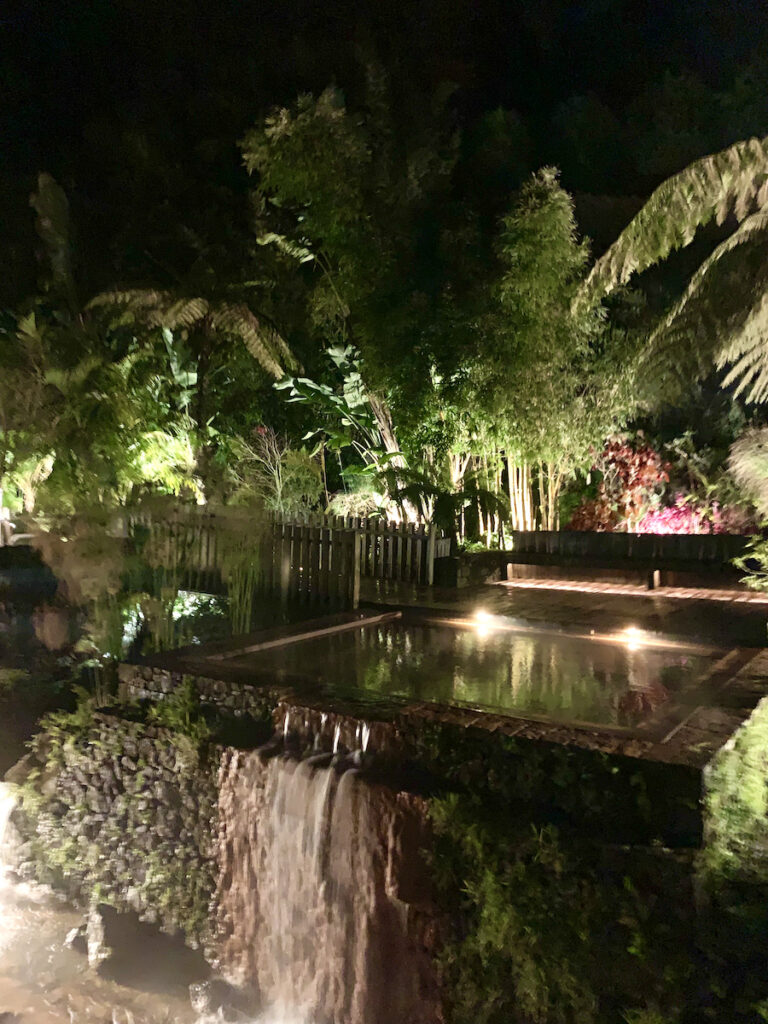
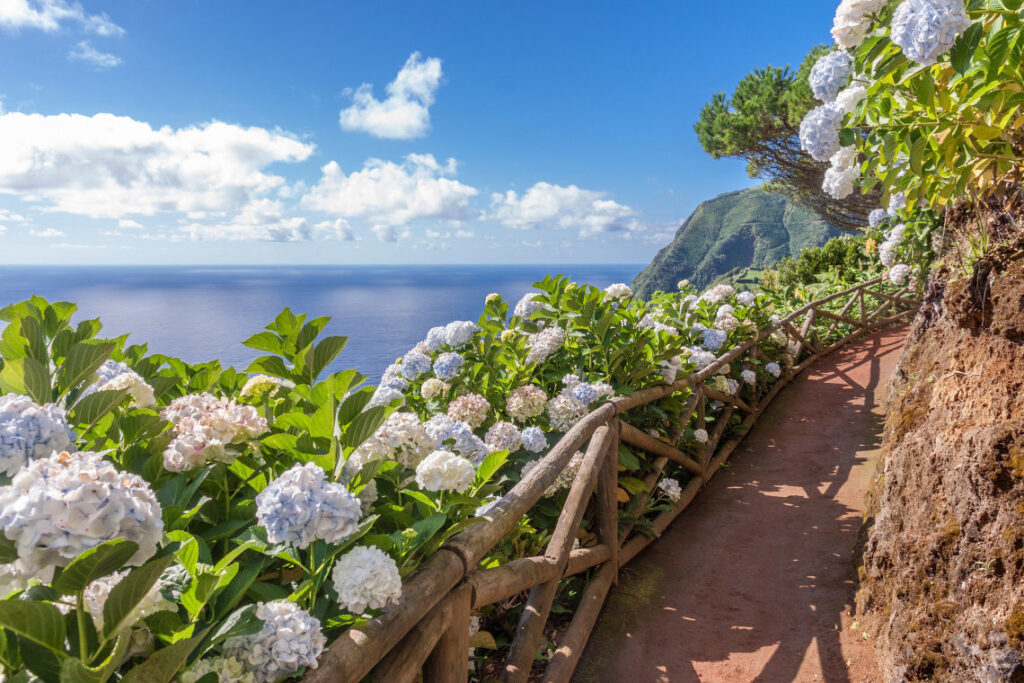
Home / Azores Unplugged: Hot Springs, Crater Lakes & Whale Routes Tucked away in the vast Atlantic, the Azores beckon with their untamed beauty and serene rhythms. The Atlantic’s Wild Garden Our journey takes us to the Azores, a Portuguese archipelago in the heart of the Atlantic, celebrated for volcanic peaks, emerald valleys, and dramatic coastlines. Each of the nine islands has its own rhythm — from São Miguel’s steaming hot springs to Pico’s lava-stone vineyards and Flores’s untouched cliffs. This is a paradise where nature still reigns, and travelers can slow down, unplug, and immerse themselves. Volcanic Landscapes & Crater Lakes The Azores are born of fire, and their landscapes tell the story. On São Miguel, crater lakes like Sete Cidades shimmer in contrasting shades of green and blue, while Lagoa do Fogo sits high in the mountains surrounded by untouched trails. On Faial, the vast Caldeira is an open invitation to hike its rim, and on Flores, multiple crater lakes reflect the shifting Atlantic skies. These are dreamscapes for eco-photographers, where light, mist, and water constantly reshape the scene. Hot Springs & Geothermal Wonders Volcanic energy bubbles beneath the islands, surfacing in fumaroles, geysers, and mineral pools. In Furnas Valley, you can:   Bathe in the warm waters of Terra Nostra Garden or the rustic Poça da Dona Beija. Taste the Azorean “cozido,” a stew cooked underground by geothermal heat. Explore steaming fumaroles and bubbling mud pools, reminders of the earth’s power. On the coast, natural spas like Ponta da Ferraria let you swim in ocean water naturally heated by volcanic springs. Few places combine raw geology and relaxation so seamlessly. Whale Routes & Ocean Adventures The waters around the Azores are a highway for giants. From spring through autumn, more than 20 species of whales and dolphins can be spotted — sperm whales, blue whales, bottlenose dolphins, and more. Boat trips depart from Ponta Delgada (São Miguel), Horta (Faial), and Madalena (Pico), guided by marine biologists. Encounters are never guaranteed, but the anticipation is part of the thrill. For those seeking more adrenaline, canyoning down waterfalls or swimming in natural sea pools adds a land-based counterpart to ocean adventures. Pico: Mountain & Vineyards Rising above the archipelago, Mount Pico is Portugal’s highest peak. Climbers who summit are rewarded with sweeping Atlantic views, but even at its base, Pico enchants. Its UNESCO-listed vineyards, planted in black lava fields and protected by stone walls, are living cultural landscapes. Tasting local Verdelho wine here is a journey through history as much as flavor. Hidden Villages & Traditions Beyond the iconic spots, the Azores reveal their charm in small details: Fishing villages where boats line volcanic coves. Tea plantations on São Miguel — Europe’s only commercial tea fields. Pineapple plantations where the fruit is cultivated in greenhouses, producing a unique liqueur.   Local festivals and traditions, where music, food, and folklore keep the islands’ spirit alive. Seasons & Best Time to Visit The Azores are year-round destinations, but the experience changes with the calendar: April – June: Hydrangeas bloom, landscapes glow green, weather is mild (15–20 °C), flights are affordable, and whale migrations peak. July – August: Warm seas and lively festivals, but with higher prices and more visitors. Late September – Early October: Summer warmth lingers, but crowds fade. Wine harvests and hiking weather are ideal. Travel Tips Getting Around: Inter-island flights (SATA/Azores Airlines) and ferries connect the main islands. Car rental is essential on each island — book early, especially on Pico and Flores. Packing: Waterproof jackets, hiking shoes, and swimwear for hot springs. Weather can shift quickly. Eco-travel: Stay on marked trails, respect geothermal zones, and support local guides and family-run lodgings. Final Thoughts To travel the Azores unplugged is to let the islands set your pace: soaking in a hot spring under the stars, watching whales breach at the horizon, wandering through volcanic vineyards, or pausing at a crater rim as mist drifts by. Whether you’re a slow traveler, eco-photographer, or island hopper, the Azores are not a checklist — they’re a living landscape to savor.

marocco market
Blog, Travel Tips

Living Like a Local in Marrakech: A Cultural Immersion Guide

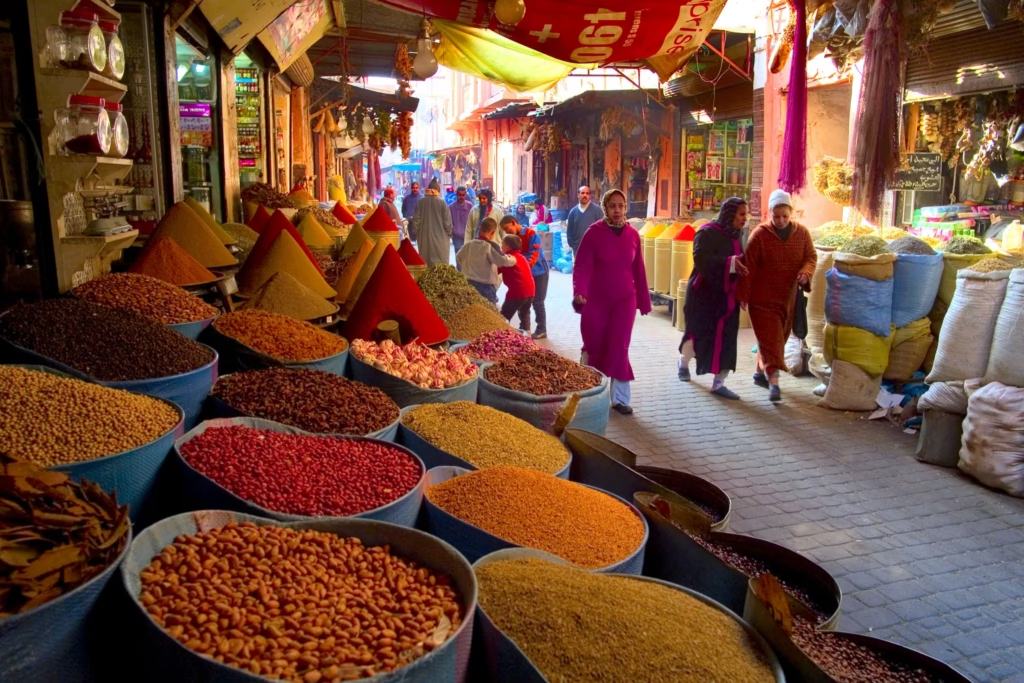
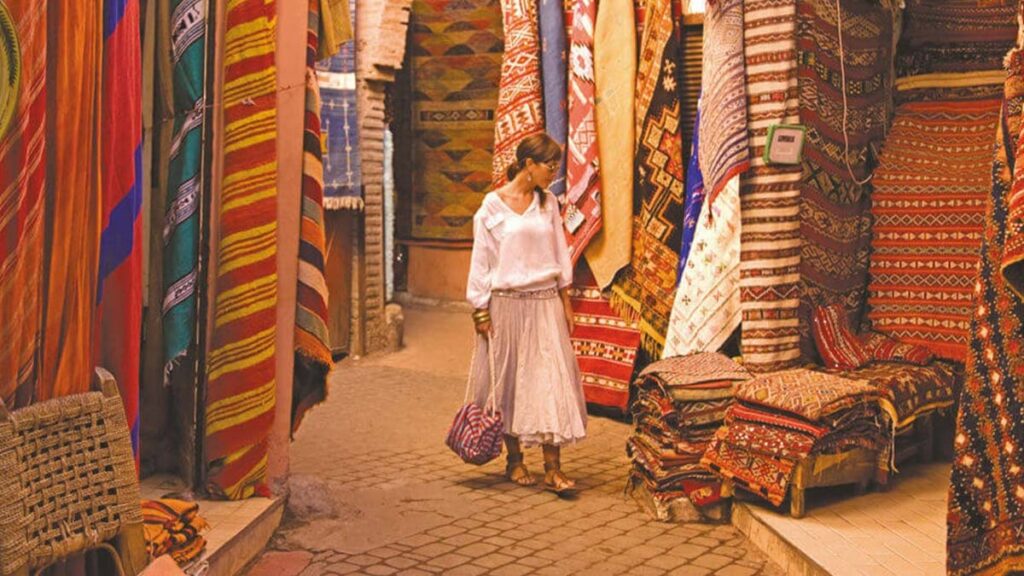
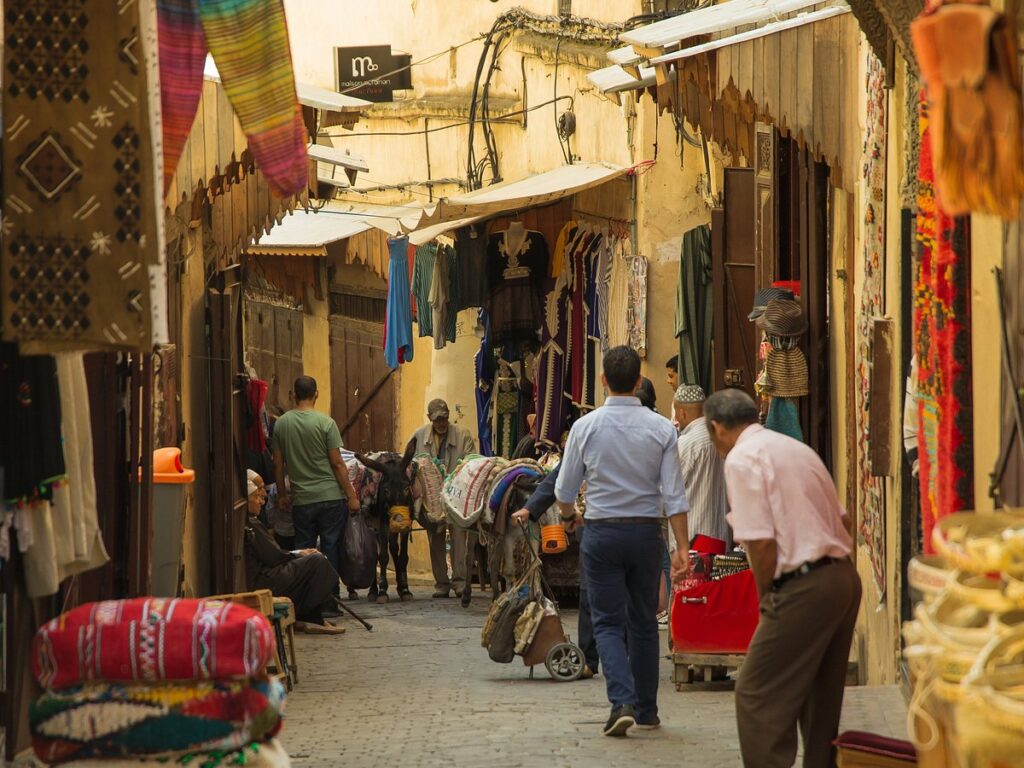
Home / Living Like a Local in Marrakech: A Cultural Immersion Guide Marrakech is a city of colors, scents, and sounds — a place where centuries-old traditions blend with the rhythm of modern Morocco.  From hidden souks to hammams, street food to riads, here’s how you can live like a local in Marrakech. Stay in a Riad, Not a Hotel The heart of Marrakech lies in its medina — a maze of narrow alleyways and bustling life. Skip the international hotel chains and book a riad, a traditional Moroccan house with an inner courtyard. Here, you’ll wake up to birdsong, sip mint tea under carved wooden balconies, and fall asleep to the scent of orange blossoms. Discover the Souks Like a Local The souks (markets) of Marrakech are a labyrinth of treasures. From colorful textiles and leather goods to brass lamps and handwoven carpets, it’s a shopper’s paradise. But the real magic is in the interactions: bargaining with artisans, learning the story behind a Berber rug, or tasting olives from a vendor’s stall. Tip: Locals expect you to haggle. Start at about half the asking price and enjoy the lively negotiation — it’s part of the culture! Experience a Traditional Hammam For centuries, Moroccans have gathered in hammams, public bathhouses, for cleansing and relaxation. The ritual involves steam, exfoliation with black soap, and rinses that leave you feeling reborn.   Local hammams (like Hammam Mouassine) are authentic and budget-friendly.   Luxury hammams (such as at La Mamounia) offer a spa-like experience.   Go where locals go for the real deal: it’s as much a social experience as it is about wellness. Eat Like a Marrakchi Street food in Marrakech is not just about eating — it’s about connecting with people and flavors. Head to Jemaa el-Fnaa square in the evening, where smoke from grills rises into the night sky. Must-try bites: Tangia – slow-cooked lamb in a clay pot, a Marrakech specialty. Msemen – buttery layered flatbread, best with honey for breakfast. Harira – a hearty tomato and lentil soup, often enjoyed during Ramadan. Fresh orange juice – squeezed right in front of you in the square. Slow Down and Soak Up the Atmosphere The soul of Marrakech isn’t only in its monuments — it’s in everyday life.   Listen to gnawa musicians playing rhythmic desert blues in the square. Sip tea on a rooftop café while watching the sun set over the Koutoubia Mosque. Wander through hidden alleys where children play football and cats nap in the shade.   These unscripted moments are where Marrakech reveals itself most vividly. Final Thoughts Why Living Like a Local Matters When you immerse yourself in Marrakech’s rhythm, you go beyond sightseeing — you build connections. You’ll understand why mint tea is poured from high above the glass, why bargaining is a form of storytelling, and why hospitality is considered sacred. Travel becomes less about checking off attractions and more about feeling at home in a culture that welcomes you with open arms.

sustainable travel
Blog, Travel Tips

Best Practices When Traveling: Your Guide to Eco-Traveling Responsibly

Home / Best Practices When Traveling: Your Guide to Eco-Traveling Responsibly  Travel with Intention. Explore with Respect. Leave a Positive Footprint.In a world where global exploration has never been easier, the way we travel matters more than ever.  Pack Light, Pack Right The journey to sustainability starts before you even leave home. Avoid single-use plastics. Bring a reusable water bottle, metal straw, tote bag, and bamboo utensils. Pack versatile clothing. Choose pieces that can be layered and worn multiple times.  Minimize your load. Lighter bags mean lighter transportation impact—especially on planes.   Pro TipA smaller backpack or suitcase forces you to bring only the essentials and makes moving around easier and more eco friendly. Choose Sustainable Transportation Getting there is half the footprint. Use trains and buses whenever possible—they’re the most eco-efficient public transport. Fly less, stay longer. One long trip is better than several short ones.Offset your carbon emissions if you must fly. Many airlines and independent organizations offer this option.Walk or cycle when exploring a city—it’s healthier and more immersive. Eco-Choice Choose destinations closer to home or explore regional areas to avoid unnecessary long-haul flights. Book Eco-Friendly Accommodations Where you sleep can support sustainability, too.Choose green-certified hotels or eco-lodges that use renewable energy and reduce waste.Support local guesthouses and homestays—it keeps your money within the community.Limit housekeeping. Reuse towels and bedding, turn off AC when not needed, and conserve water.Look for properties with certifications like Green Key, EarthCheck, or local eco-labels. Conserve Water & Energy Resources are limited— especially in many popular travel destinations. Take short showers and turn off the tap when brushing your teeth. Avoid unnecessary laundry. Reuse clothes and towels for multiple days. Turn off lights, heating, and air conditioning when you leave your room. Water scarcity is real in many parts of the world—every drop counts. Final Thoughts: Travel Smarter, Live Deeper​​ Eco-traveling isn’t about being perfect—it’s about being mindful.Every choice you make while planning, booking, and experiencing your trip has an impact. From how you pack your bag to how you interact with locals, sustainable travel is a practice of conscious decision-making. And as more people choose this path, we create a world where tourism uplifts rather than exploits.

hidden places Marrakech
Blog, Travel Tips

5 Hidden Desert Camps in Merzouga for an Unforgettable Sahara Experience

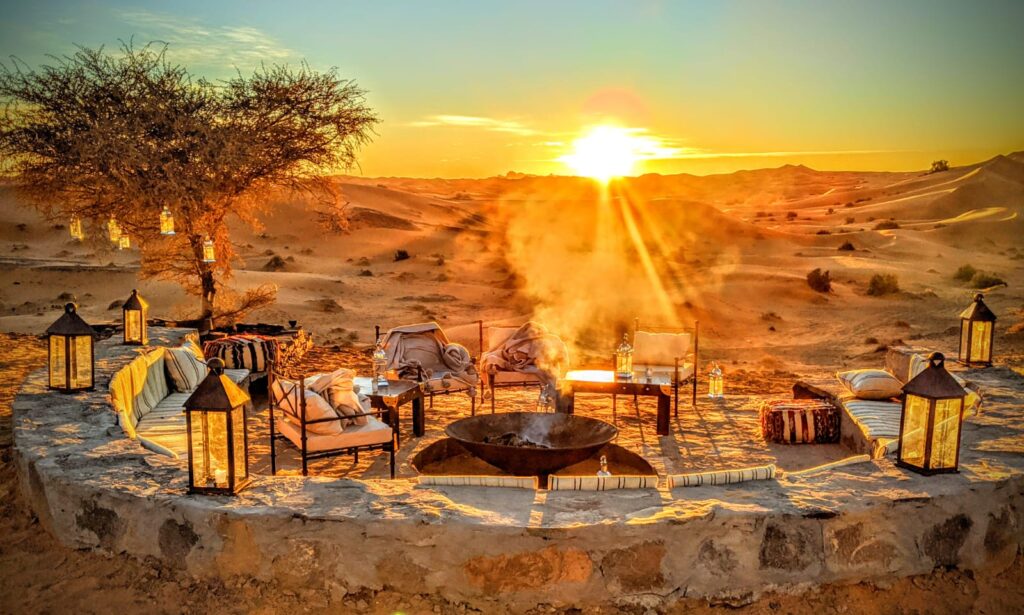
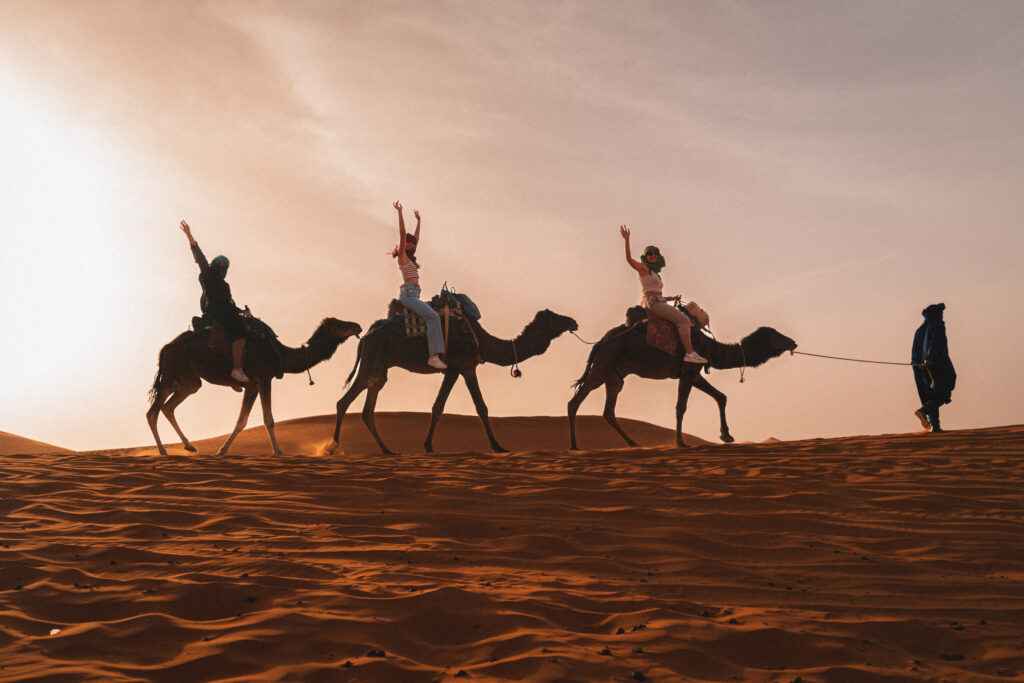
Home / 5 Hidden Desert Camps in Merzouga for an Unforgettable Sahara Experience Skip the typical tours and sleep under the stars in authentic Berber-run desert camps. Focus on eco-friendly, immersive options Camp Al Koutban – A Literary Retreat in the Sand Tucked between golden dunes, Camp Al Koutban is a minimal, candle-lit camp run by a Berber family.It’s ideal for travelers who seek solitude, creative inspiration, or a slower rhythm.The name, meaning “the books,” isn’t random—there’s a shaded corner tent filled with second-hand novels in English, French, and Arabic.    Why stay here? Completely offline: no Wi-Fi, no distractions Fire-lit poetry and storytelling nights A perfect spot to journal or write that book you’ve been meaning to start Pro tip  Bring your own book to donate and exchange with others. Dar Ahlam – Eco-Conscious Desert Living Dar Ahlam is a hidden eco-camp known for its sustainable philosophy and small environmental footprint. With just a handful of tents, solar power, and composting toilets, it offers comfort without compromise. Meals are made fresh daily from seasonal local ingredients. Highlights: Environmentally responsible and plastic-free Guided fossil walks and visits to nearby nomad villages Offers yoga mats and sunrise meditations in the dunes Perfect for: Travelers who care about sustainability and local impact. Sahara Wild Camp – No Website, Just Word of Mouth Possibly the most low-key spot on this list, Sahara Wild Camp doesn’t appear on Google Maps. It’s passed from traveler to traveler through recommendations and guided visits. Hidden behind a curve of high dunes, the camp blends into the landscape and moves slightly depending on the season and wind.   What makes it unique: Hosted by nomadic families with rotating locations Berber bread-making and mint tea rituals Limited to 6 guests max — bookings only via local guides   Tip  Ask for Lahcen at the main square in Merzouga for directions. Azalay Nomad Camp – Comfort Meets Silence Looking for a balance between comfort and authenticity? Azalay Nomad Camp is a small luxury-style camp that avoids the commercial vibe of the bigger touristic operations. Located off the main camel trail, it offers peace and stargazing with very little light pollution. Standout features: Hot showers and real beds in each tent Stargazing with telescope and guided sky talks Local music nights around the firepit For travelers who  Want a peaceful, semi-luxury experience without losing the connection to nature and culture. Camp Nomadic Soul – Total Digital Detox No Wi-Fi. No signal. No screens. Just sand, stars, and traditional Berber hospitality. Camp Nomadic Soul is for those ready to unplug completely. Here, you wake up to camel bells, sip tea slowly, and watch the sun set in silence.   What to expect: Handwoven tents and locally crafted rugs Sunrise hikes on untouched dunes Daily meals cooked on open fire with local ingredients   Best for  Creatives, deep thinkers, and anyone looking to slow down fully. Final Thoughts In a world of overbooked tours and Instagram-driven itineraries, these hidden desert camps in Merzouga offer a rare chance to experience the Sahara in a more grounded and intimate way. Whether you’re journaling under the stars, learning to make traditional bread, or just listening to the wind between the dunes, you’ll find something in these places that no hotel or group tour can offer.

Chefchaouen
Blog, Travel Tips

Nomad’s Guide to Chefchaouen: Work, Hike, Repeat

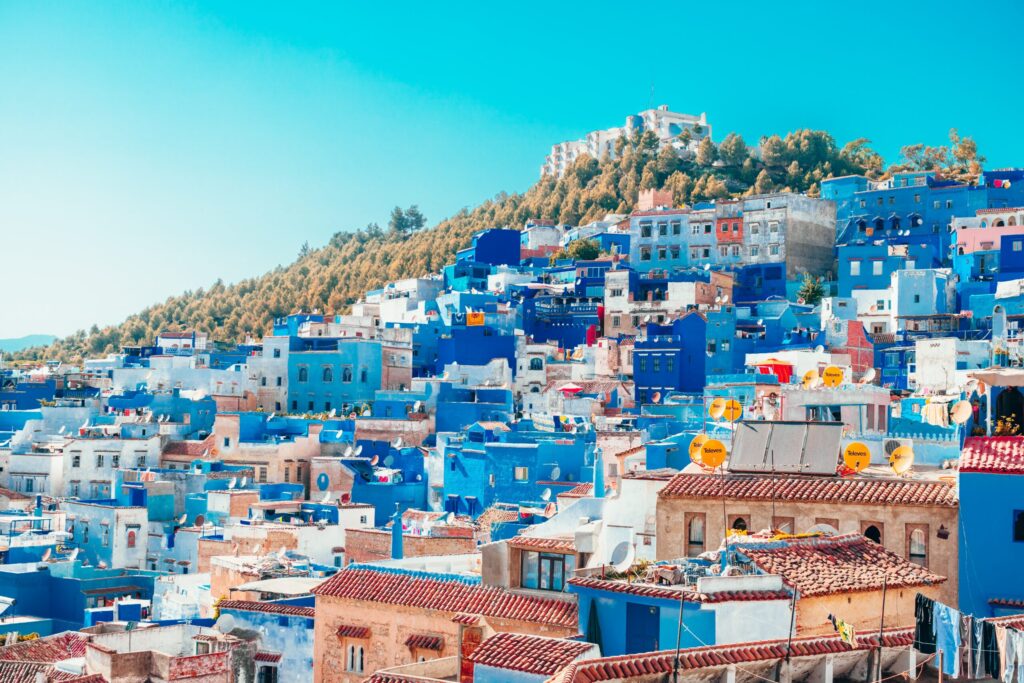
Nomad’s Guide to Chefchaouen Skip the typical tours and sleep under the stars in authentic Berber-run desert camps. Focus on eco-friendly, immersive options Home / Where Work Meets Serenity Tucked into the foothills of the Rif Mountains, Chefchaouen isn’t just a postcard-perfect town with blue-painted streets — it’s a hidden gem for remote workers and slow travelers looking to balance productivity with nature.   If you’ve ever dreamed of replying to emails in a rooftop café surrounded by mountains, then this Moroccan paradise might just be your next base.  Where to Work Though Chefchaouen is a small town, it surprisingly offers decent Wi-Fi in key locations. Here are some reliable places to work remotely:   Café Clock – A creative hub with great food, cultural events, and strong Wi-Fi.  Chez Hicham – Centrally located with a relaxing terrace and good internet connection.  Hotel Casa Perleta (for guests) – If you’re staying here, their inner courtyard is peaceful and has solid Wi-Fi for video calls.  Mobile Hotspot Option – Consider grabbing a Moroccan SIM card (e.g. Maroc Telecom) with a good data plan.    Where to Hike  Chefchaouen’s location makes it a perfect launchpad for short and long hikes:  Ras El Ma to Spanish Mosque (Easy – 45 mins round trip) Perfect for sunset. A short uphill walk with panoramic views of the medina and valley.  Akchour Waterfalls Trail (Moderate – Half day) Just a 45-minute drive from town. Hike to the famous Bridge of God and the refreshing waterfalls. Bring water and snacks.  Jebel El Kelaa Trek (Challenging – Full day) For seasoned hikers. This trail rewards you with sweeping views of the Rif range.  Where to Stay Stay somewhere inspiring and practical for work. These are a few cozy picks: Dar Echchaouen – Mountain views, reliable internet, and peace.  Riad Gharnata – Right in the heart of the medina, with quiet corners for working.  Casa Sabila – Friendly owners, fast Wi-Fi, and a great rooftop Final Thoughts: Work-Life Balance in Blue Chefchaouen isn’t a typical digital nomad hotspot — and that’s the beauty of it. Here, you can slow down, focus, and reconnect with your surroundings. Whether you’re scheduling Zoom calls in the morning or hiking through lush valleys in the afternoon, this is the kind of place where “Work, Hike, Repeat” becomes your daily mantra. 

souk-marrakech-morocco
Blog, Travel Tips

5 Things to Do in Morocco You Absolutely Can’t Miss

5 Things to Do in Morocco You Absolutely Can’t Miss If you’re planning a trip to North Africa, Morocco should be at the top of your list. This vibrant country is filled with culture, history, flavors, and landscapes that feel like they belong in a movie. Home / Explore the Souks and Fes Wander through the colorful souks of Marrakech or Fes Medina—two of the most iconic places to visit in Morocco.   Get lost in a maze of stalls selling spices, textiles, lanterns, pottery, and more. Haggling is expected, so embrace the local style and have fun with it. Spend the Night in the Sahara Desert One of the most unforgettable experiences in Morocco is riding a camel through the dunes of Merzouga and camping under the stars. Traditional Berber tents, sandboarding, and drumming by the fire make this a must-do. Enjoy Moroccan Mint Tea Rituals Known as “Berber whiskey,” Moroccan mint tea is more than just a drink—it’s a cultural experience.   You’ll find it everywhere, from mountain villages to high-end riads.   Always accept a cup; it’s a sign of welcome and friendship. Visit Ancient Medinas & Historic Cities Don’t miss the winding alleys of Fes el Bali, the blue-washed walls of Chefchaouen, or the bustling heart of Marrakech Medina.   These UNESCO sites offer a real taste of Moroccan history and local life. Experience a Moroccan Hammam If you’re looking to unwind, a traditional hammam in Morocco is the way to go.   Local bathhouses or high-end spas offer deep scrubs, steam rooms, and full-body massages.   Your skin will thank you. Final Thoughts: What to Do for an Authentic Experience If you’re wondering what to do in Morocco beyond the guidebooks, just follow the rhythm of local life. Take your time, engage with people, and stay curious. Whether you’re staying for a week or a month, these 5 experiences will make your trip deeply memorable.

Souk-zrabia-Marrakech
Blog, Travel Tips

Living Like a Local in Marrakech A Guide to Authentic Moroccan Experiences

Living Like a Local in Marrakech: A Guide to Authentic Moroccan Experiences Marrakech isn’t just a destination. It’s a mood, a soundscape, a whirlwind of scents and colors that you can’t quite explain until you’re there. Here’s your essential guide to experiencing Marrakech Home / Explore the Souks Like a Regular The medina’s winding alleys can feel like a maze, but locals don’t rush — they flow. Skip the postcard stalls and head to the artisan corners of the souks where cobblers, lantern-makers, and leatherworkers still shape goods by hand. Don’t be afraid to haggle — it’s expected and part of the fun.   Local tipVisit early in the morning to see vendors open up, clean their stalls, and chat over mint tea.  Visit a Traditional Hammam Forget fancy spas. Go where the locals go: communal hammams. For just a few dirhams, you’ll experience a centuries-old bathing ritual. Bring black soap (savon noir), a scrubbing glove (kessa), and your best attitude for being scrubbed until you shine. Recommended spotHammam Mouassine — authentic, clean, and popular among locals. Eat Where the Streets Smoke Djemaa el-Fna may be buzzing, but the real flavor hides in backstreets and food carts. Skip hotel buffets and opt for: Tangia slow-cooked in the coals of a hammam Maakouda (crispy potato fritters) from roadside vendors Fresh orange juice from the market, dirt cheap and wildly refreshing  Try Café Clock or Riad BE — friendly Wi-Fi, chill vibes, and great Moroccan fusion bites. Sleep in a Riad, Not a Hotel To really soak up the essence of Marrakech, book a stay at a riad — a traditional Moroccan home with an inner courtyard. Think mosaic tiles, hidden plunge pools, and rooftop views over the medina. Top pickRiad Yasmine — photogenic, peaceful, and locally owned. Final Thoughts: Marrakech Isn’t a Checklist It’s a feeling. And it rewards those who embrace the unexpected. So pack light, walk slow, smile wide, and remember: the best travel moments often happen between the “must-sees.”

How to pack your bag
Blog, Travel Tips

How to Pack Your Bag for Travel: Step-by-Step Checklist

How to Pack Your Bag for Travel: Step-by-Step Checklist Whether you’re exploring vibrant cities, hiking scenic trails, or embracing cultural immersion, packing smart is key to a stress-free, lightweight, and comfortable journey. This guide covers everything you need to bring (and leave behind) for the perfect adventure. Home / Clothing Pack the following: Breathable t-shirts, linen or cotton shirts Lightweight pants / long skirts Scarf or shawl (for sun, wind, or modesty) Light hoodie or jacket Swimwear Comfortable walking shoes and sandals Tech & Work Gear Lightweight laptop or tablet Power bank Universal adapter Noise-canceling earbuds or headphones Cultural & Practical Reusable water bottle Compact travel towel Toiletries (in travel sizes) Notepad or language phrasebook Small gifts or tokens for hosts Documents & Money Passport & ID Digital and physical copies of important docs Local currency + debit/credit card Resources & Packing Tips Space-Saving Tips Use packing cubes to organize by type (tops, bottoms, tech, etc.) Roll clothes instead of folding Stuff socks or underwear in shoes Use compression bags for jackets or bulky clothes Wear heavier/bulkier items while in transit Final Thoughts Use this guide on your next adventure and make sure to pack light, travel smart, and explore deep. And don’t forget: every item in your bag should serve a purpose!

Scroll to Top