CAPE VERDE DIVING

Lemon Sharks, Turtles & Lava Reefs

The ocean here still has stories it hasn’t told everyone yet.
Join with Tripico!

Home / Blog / Cape Verde Diving: Lemon Sharks, Turtles & Lava Reefs

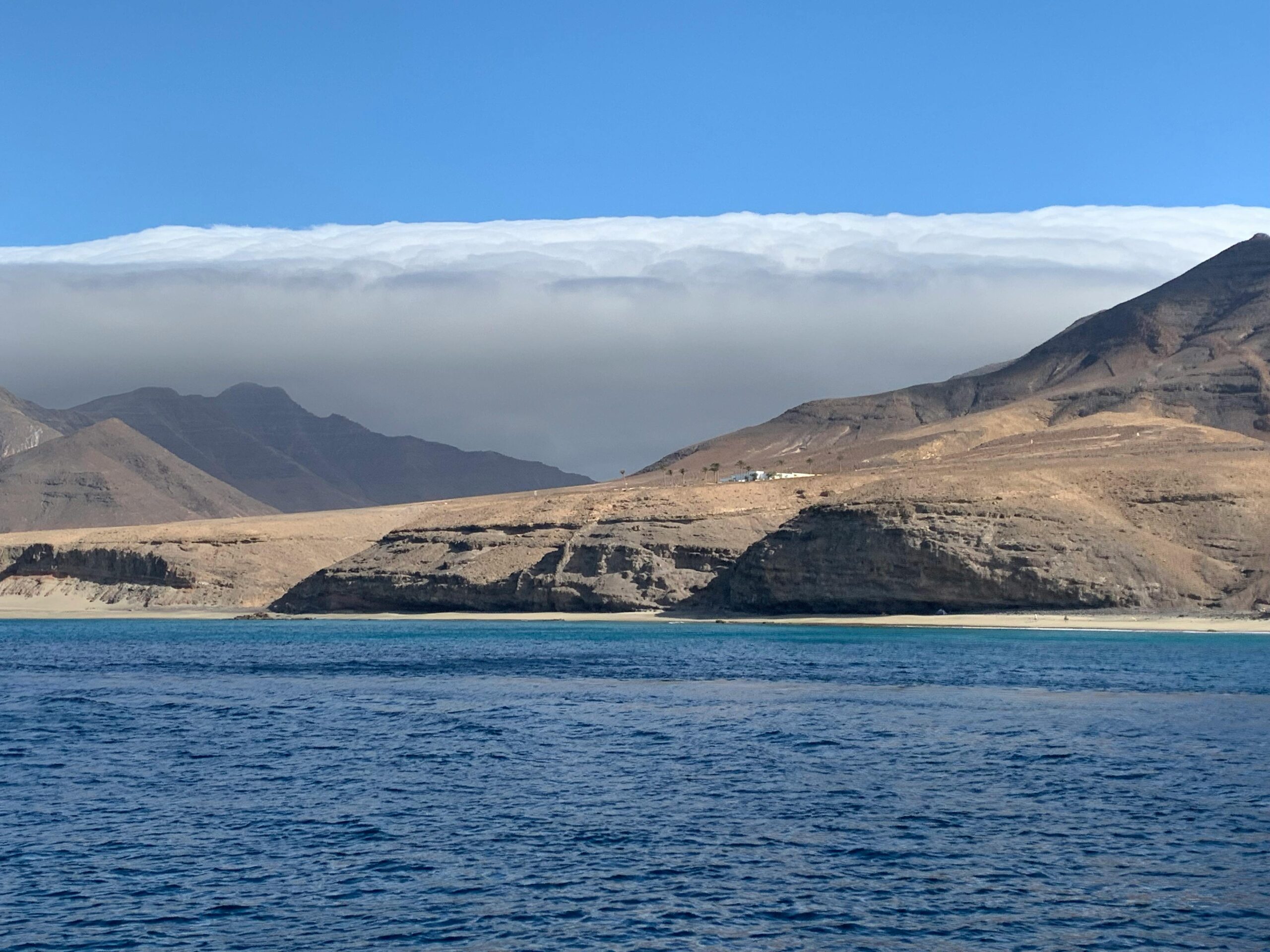
Cape Verde lies 500 kilometres off the coast of West Africa – ten volcanic islands scattered across a patch of Atlantic that stays warm and clear the whole year. Most people arrive on Sal, step off the plane into dry heat and bright light, and within an hour they’re in the water.


The Famous Lemon Shark Encounter

The first thing everyone wants to see is the lemon sharks. From December to May dozens of females, some over three metres long, rest in the shallow sandy bay just outside Santa Maria. You walk in from the beach with a guide, settle on your knees in waist-deep water and wait. The sharks cruise past slowly, close enough to see the remoras on their backs and the old scars on their fins. Nothing is fed, nothing is forced; they simply tolerate your presence. It’s one of the easiest, safest and most impressive shark encounters you can have anywhere. With Tripico you do it the way the local fishermen always have – barefoot from the same beach, no crowds, just you and the sharks.


Classic Reef Diving Around Sal

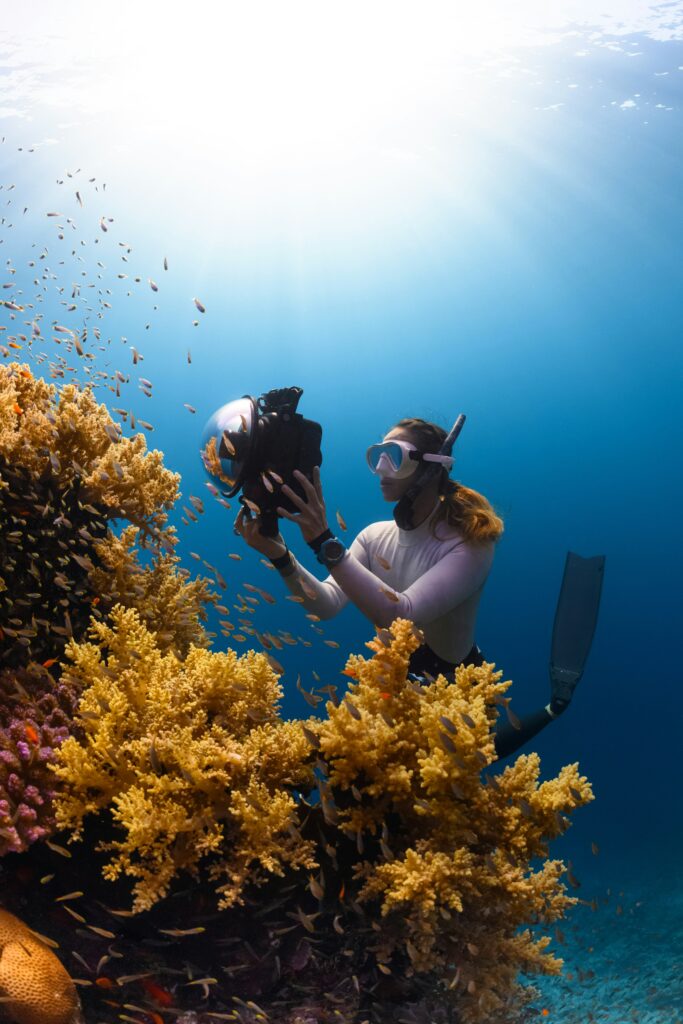
When you’re ready for deeper water, the reefs around Sal are only minutes away by boat. Green and hawksbill turtles feed on almost every dive, octopus tuck themselves into lava cracks, and schools of jacks and barracuda patrol the blue. Visibility is usually 30 metres or more, and the water temperature rarely drops below 24 °C.


Volcanic Drama on São Vicente

A short flight or a pleasant ferry ride takes you to São Vicente and the town of Mindelo. The diving here is completely different. Lava flows have created tunnels, arches and deep walls covered in black coral and bright orange cup corals. The sites around Salamansa and Baía das Gatas are perfect for photographers – plenty of wide-angle scenery and macro subjects in the same dive. Night dives are especially good; Spanish dancers are common and sleeping parrotfish look like ghosts inside their mucus bubbles.

Santa Luzia – The Pristine Reserve

The highlight for many is the two- or three-night trip to Santa Luzia, the only uninhabited island in the archipelago and a strict marine reserve. Because so few boats are allowed to stay overnight, the reefs are in outstanding condition. Large groupers swim right up to you, mantas visit the cleaning stations from June to October, and whale sharks sometimes appear between July and November. The Tripico boat is a comfortable catamaran; you dive during the day, eat fresh fish on deck at sunset and sleep with the sound of waves against the hull.


A Piece of History Above the Water

One easy half-day trip that almost everyone enjoys is the visit to Pedra de Lume on Sal. The village sits inside the crater of an extinct volcano, and the old salt pans are built directly on the crater floor, just above sea level. From the 18th century until the 1980s this was one of the country’s main industries; salt was loaded onto ships through a small cable-car system that still hangs above the water. Today the pans are no longer commercial, but you can walk the wooden piers between the pink-and-white salt mounds, visit the tiny museum, and float in the natural brine lake that is even saltier than the Dead Sea. The contrast of the white salt, black volcanic rock and bright blue sky makes it one of the most photographed spots on the island, and it’s only fifteen minutes from Santa Maria.


Life Between Dives

Cape Verde refuses to let you treat it like just a dive destination.

On Sal, mornings often start with coffee on Santa Maria’s main square while fishermen unload their catch on the pier. The town is small and easy to walk around: a few shops, supermarkets, banks, restaurants and beach bars line the streets. Fresh fish or lobster is available at most places for lunch or dinner, and prices remain reasonable.


When the itinerary moves to São Vicente, the base is Mindelo, the cultural and historic centre of the archipelago. The town is compact, with a working port, a fish market, several good restaurants and a handful of live-music venues. Evenings are usually spent walking between cafés and bars on Rua Lisboa or around the main square. The choice of food is wider than on Sal – fresh octopus, goat’s cheese, local stews and daily catches are standard.


When to Go

Best months for calm seas and the warmest water: May to November

Peak lemon-shark season: December to May

Water temperature: 23–29 °C year-round

Visibility: 25–40 m almost all year

 

Final Thoughts

Why Cape Verde remains special?

It combines warm, clear water and charismatic megafauna with a sense of genuine discovery. The sites are not overrun, the infrastructure is comfortable yet discreet, and the welcome is warm without ever feeling commercialised.

Tripico lives for this kind of travel: small groups, local families feeding you, real conversations that turn into real friendships. Come experience Cape Verde the way it’s meant to be experienced – as an insider, not a visitor.


BLOG & NEWS

The Untold Story

Scroll to Top