
Azores Unplugged: Hot Springs, Crater Lakes & Whale Routes
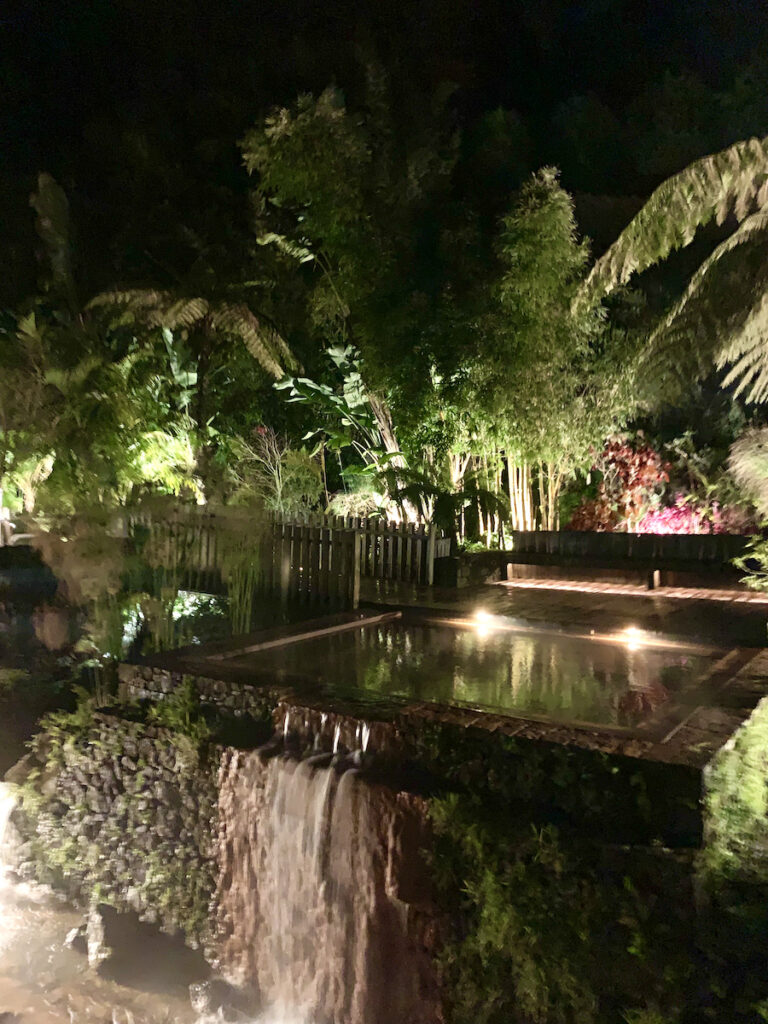
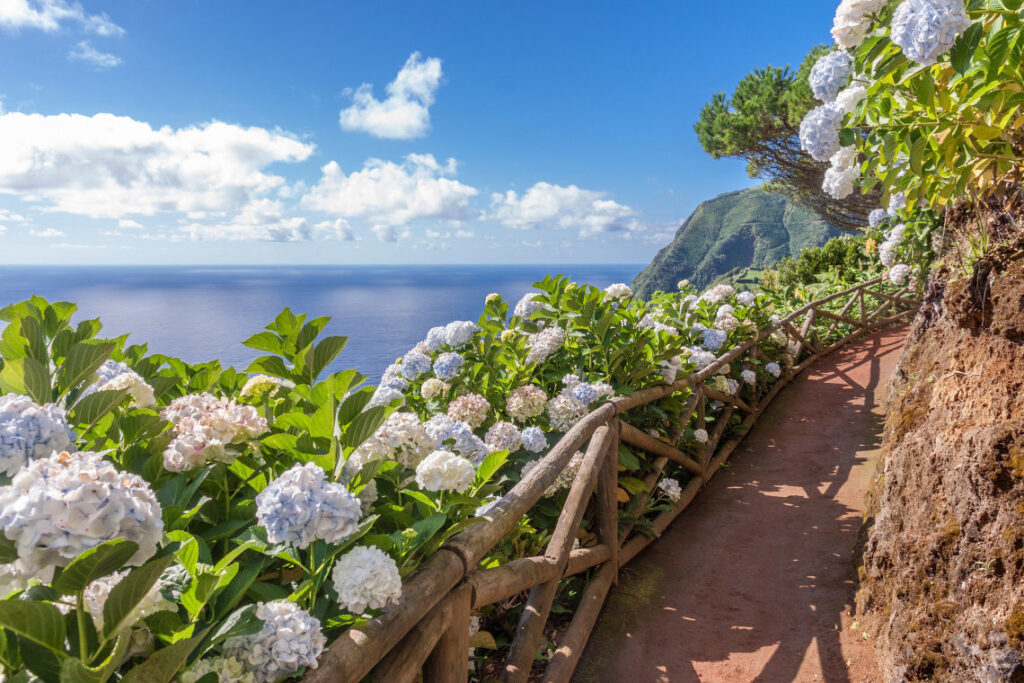
Home / Azores Unplugged: Hot Springs, Crater Lakes & Whale Routes Tucked away in the vast Atlantic, the Azores beckon with their untamed beauty and serene rhythms. The Atlantic’s Wild Garden Our journey takes us to the Azores, a Portuguese archipelago in the heart of the Atlantic, celebrated for volcanic peaks, emerald valleys, and dramatic coastlines. Each of the nine islands has its own rhythm — from São Miguel’s steaming hot springs to Pico’s lava-stone vineyards and Flores’s untouched cliffs. This is a paradise where nature still reigns, and travelers can slow down, unplug, and immerse themselves. Volcanic Landscapes & Crater Lakes The Azores are born of fire, and their landscapes tell the story. On São Miguel, crater lakes like Sete Cidades shimmer in contrasting shades of green and blue, while Lagoa do Fogo sits high in the mountains surrounded by untouched trails. On Faial, the vast Caldeira is an open invitation to hike its rim, and on Flores, multiple crater lakes reflect the shifting Atlantic skies. These are dreamscapes for eco-photographers, where light, mist, and water constantly reshape the scene. Hot Springs & Geothermal Wonders Volcanic energy bubbles beneath the islands, surfacing in fumaroles, geysers, and mineral pools. In Furnas Valley, you can: Bathe in the warm waters of Terra Nostra Garden or the rustic Poça da Dona Beija. Taste the Azorean “cozido,” a stew cooked underground by geothermal heat. Explore steaming fumaroles and bubbling mud pools, reminders of the earth’s power. On the coast, natural spas like Ponta da Ferraria let you swim in ocean water naturally heated by volcanic springs. Few places combine raw geology and relaxation so seamlessly. Whale Routes & Ocean Adventures The waters around the Azores are a highway for giants. From spring through autumn, more than 20 species of whales and dolphins can be spotted — sperm whales, blue whales, bottlenose dolphins, and more. Boat trips depart from Ponta Delgada (São Miguel), Horta (Faial), and Madalena (Pico), guided by marine biologists. Encounters are never guaranteed, but the anticipation is part of the thrill. For those seeking more adrenaline, canyoning down waterfalls or swimming in natural sea pools adds a land-based counterpart to ocean adventures. Pico: Mountain & Vineyards Rising above the archipelago, Mount Pico is Portugal’s highest peak. Climbers who summit are rewarded with sweeping Atlantic views, but even at its base, Pico enchants. Its UNESCO-listed vineyards, planted in black lava fields and protected by stone walls, are living cultural landscapes. Tasting local Verdelho wine here is a journey through history as much as flavor. Hidden Villages & Traditions Beyond the iconic spots, the Azores reveal their charm in small details: Fishing villages where boats line volcanic coves. Tea plantations on São Miguel — Europe’s only commercial tea fields. Pineapple plantations where the fruit is cultivated in greenhouses, producing a unique liqueur. Local festivals and traditions, where music, food, and folklore keep the islands’ spirit alive. Seasons & Best Time to Visit The Azores are year-round destinations, but the experience changes with the calendar: April – June: Hydrangeas bloom, landscapes glow green, weather is mild (15–20 °C), flights are affordable, and whale migrations peak. July – August: Warm seas and lively festivals, but with higher prices and more visitors. Late September – Early October: Summer warmth lingers, but crowds fade. Wine harvests and hiking weather are ideal. Travel Tips Getting Around: Inter-island flights (SATA/Azores Airlines) and ferries connect the main islands. Car rental is essential on each island — book early, especially on Pico and Flores. Packing: Waterproof jackets, hiking shoes, and swimwear for hot springs. Weather can shift quickly. Eco-travel: Stay on marked trails, respect geothermal zones, and support local guides and family-run lodgings. Final Thoughts To travel the Azores unplugged is to let the islands set your pace: soaking in a hot spring under the stars, watching whales breach at the horizon, wandering through volcanic vineyards, or pausing at a crater rim as mist drifts by. Whether you’re a slow traveler, eco-photographer, or island hopper, the Azores are not a checklist — they’re a living landscape to savor.