TENERIFE OUTDOORS
Teide permits, volcano-to-sea trips and others
From mountains to the ocean, Tenerife reveals stunning landscapes waiting to be explored.
Mount Teide & Protected Areas: Permits, Rules and Eco-Fees
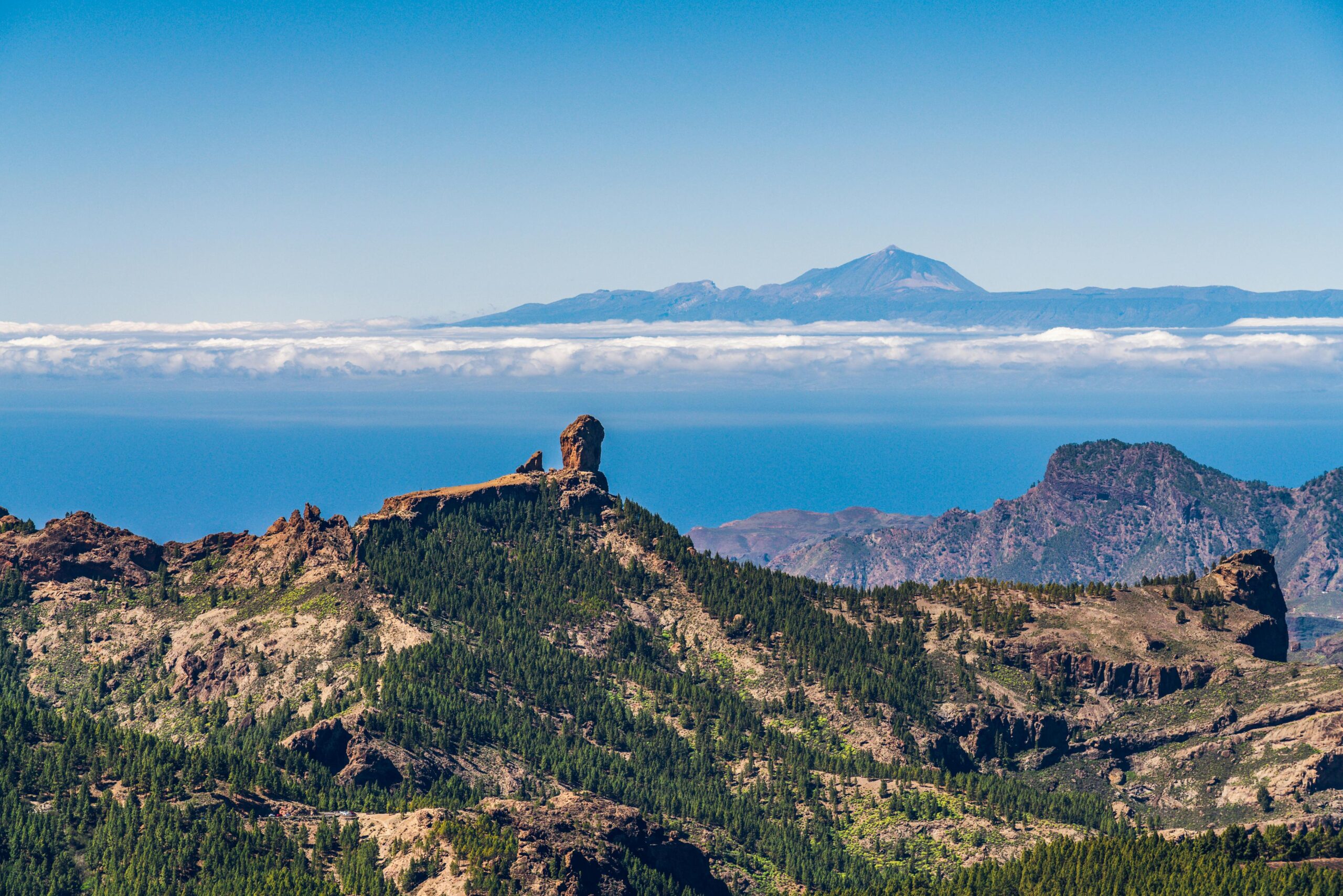
Mount Teide, Spain’s highest peak at 3,715 meters, sits at the very heart of Tenerife’s outdoor identity. It is often the highlight of group trips on the island. Rising above a vast volcanic plateau, the summit dominates the landscape and creates a shared sense of scale and adventure for travelers exploring together.
As visitor numbers have increased, access rules have evolved to protect this fragile volcanic environment. This makes planning and compliance a key part of any group itinerary. Reaching the summit today is no longer just about fitness or weather. It is about coordination, timing, and respect for the regulations.
To access the final stretch from La Rambleta to the crater, hikers must hold an official permit issued by the national park authority. While this system has existed for several years, enforcement is now much stricter, especially during peak seasons. Permits are limited to specific time slots. They often sell out weeks in advance and are routinely checked by park rangers.
For group travelers, this means advance planning is essential. For 2025/26, clearer access windows and stronger distinctions between guided and independent hikes are being introduced. This makes guided group ascents an increasingly practical and stress-free option.
Beyond the summit, Tenerife is expanding eco-fees and conservation measures across protected areas surrounding Teide and other volcanic zones. These fees support trail maintenance, erosion control, and biodiversity protection. They also improve visitor management.
Clearer signage, regulated parking areas, and stricter penalties for leaving marked paths are now part of the experience. For group trips, these measures help keep trails safer, reduce overcrowding, and ensure that shared outdoor experiences remain smooth, respectful, and sustainable.
Hiking Beyond Teide: Alternatives & Volcano-to-Sea Experiences
When Teide summit permits are unavailable, Tenerife still offers outstanding hiking experiences that work exceptionally well for groups. One of the most popular options is the Roques de García loop. This iconic trail winds through surreal volcanic rock formations at the base of Teide. The loop is well-marked, accessible year-round, and suitable for mixed fitness levels. This makes it ideal for group outings where everyone wants to enjoy dramatic scenery without technical difficulty.
Further north, Anaga Rural Park offers a completely different atmosphere. It is often a highlight for group travelers seeking variety. Dense laurel forests, misty ridges, and panoramic viewpoints overlooking the Atlantic create a cooler, greener environment. This contrasts sharply with Teide’s dry landscapes. Villages such as Taganana add a cultural stop to hiking days, allowing groups to combine forest walks with traditional meals and coastal views.
What truly sets Tenerife apart for group travel is how easily landscapes can be combined within a single day. Volcano-to-sea itineraries are especially popular. They start with a morning hike in Teide National Park or Anaga, then descend toward coastal highlights like Los Gigantes, Garachico’s natural lava pools, or El Médano. These transitions create shared moments — from high-altitude silence to ocean air. They also showcase the island’s diversity without long travel times.
Stargazing, Safety & Responsible Outdoor Travel
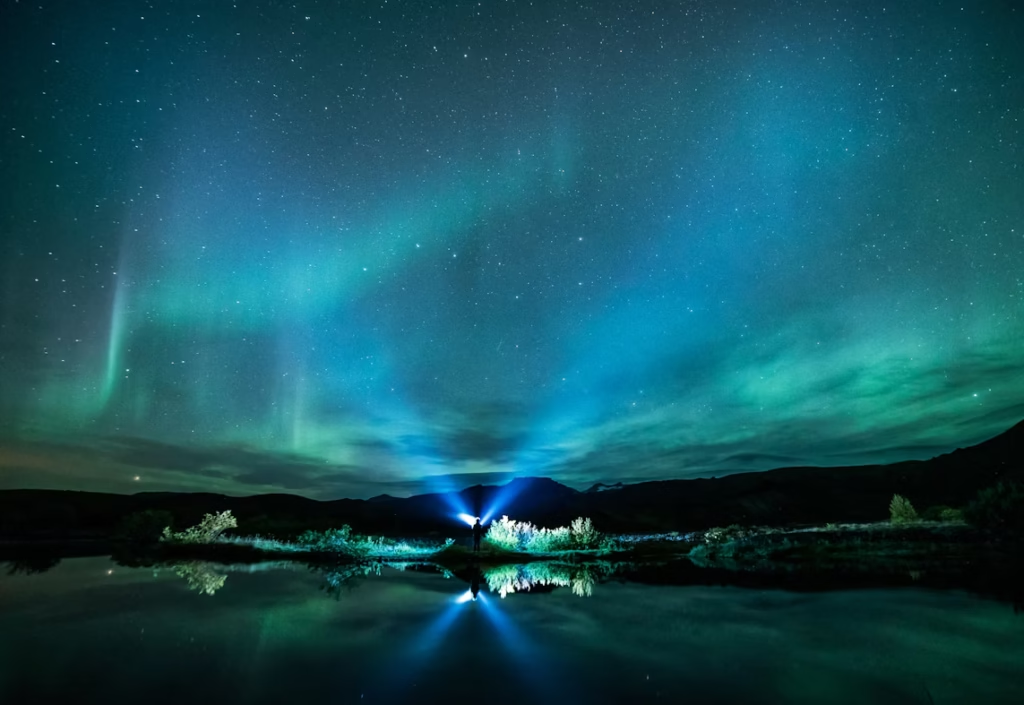
Tenerife is internationally recognised for stargazing, making it a memorable evening activity for group trips. Strict light pollution laws and exceptional atmospheric clarity, particularly around Mount Teide, create some of the best night-sky conditions in Europe. On clear nights, the Milky Way is visible to the naked eye. The presence of nearby observatories reinforces the island’s global reputation. In recent years, access rules have become more structured to ensure both safety and environmental protection during nighttime visits.
Groups are encouraged to use designated viewpoints rather than stopping along mountain roads. Parking restrictions and safety checks are actively enforced in these areas. These regulations reduce risk and protect sensitive roadside ecosystems. Guided stargazing experiences are especially well suited to group travel. They offer a compliant, informative, and social way to explore the night sky while learning about constellations, planets, and celestial events together.
Responsible outdoor travel in Tenerife goes beyond permits and eco-fees, particularly when moving as a group. Weather conditions can change rapidly at altitude. Temperatures drop quickly after sunset, and mobile coverage may be limited on remote trails. Group leaders and participants should plan carefully, carry appropriate layers and water, follow signage, and adapt plans when conditions shift.
By hiking and exploring responsibly, groups not only ensure their own safety but also help preserve Tenerife’s volcanic landscapes, forests, and skies. This keeps the island an exceptional destination for shared outdoor adventures.
Final Thoughts
Tenerife remains one of Europe’s most rewarding outdoor destinations, but enjoying it fully now requires awareness, preparation and respect for evolving regulations. Permits and eco-fees are not barriers, but tools to protect a fragile volcanic ecosystem. By planning ahead and embracing responsible travel, hikers can still experience Tenerife at its wildest, from Teide’s slopes to cloud forests and coastal cliffs, while letting nature set the pace.
BLOG & NEWS