NORTHERN LIGHTS LAPLAND
When, where and how ?
Seeing the Northern Lights in Lapland is one of the world’s most magical travel experiences
Best seasons and best hours to see auroras
Best seasons
There are many months when you can see northern lights in iceland. The period extends from September to March. But every months has its specificities.
September to October offers one of the most pleasant periods to chase the Northern Lights. Nights begin to lengthen, temperatures remain relatively mild, and early autumn often brings clearer skies. The landscapes are filled with warm red and golden tones, creating a striking contrast with the auroras.
February to March is a favourite among aurora travellers, as it combines excellent viewing conditions with classic winter experiences. Snow fully covers the region, the nights are still long, and the weather tends to be more stable than in midwinter. Increasing daylight also allows time for activities such as dog sledding or snowmobiling.
November to January represents the heart of the aurora season. These are the darkest months, offering the longest nights and the highest number of viewing hours. Although temperatures are colder and weather can be unpredictable, the deep Arctic darkness makes Northern Lights displays particularly dramatic and unforgettable.
Best hours
Northern lights tends to show between 22:00 and 02:00. But nature is always unpredictable, so we advise you stay alert andpatient. Even outside those hours there’s always a chance to see some auroras. So may the chance (and the force) be with you.
During the summer, the daylights in Iceland nears 24h. So even if it also is something to see in your life, we advice you to avoid months from June to August if you want to see some auroras.
Where to go : the best spot in Lapland
Lapland has many incredible places to see the Northern Lights, but if you want THAT spot that consistently delivers, both for the experience and for the photos. Tripico tells you where to go to have the best memories in your pellicle.
Abisko : the place to be !
Abisko National Park is often considered the best place in Lapland (and even in the world) to see the Northern Lights, and the amazing begins during the train trip and all the views along. This spot’s fame comes from the unique “Blue Hole” effect, a microclimate that keeps the skies above the park clearer than almost anywhere else in the Arctic. While neighbouring regions may be cloudy or snow-covered, Abisko frequently enjoys open skies, giving travellers some of the most reliable aurora visibility you can find.
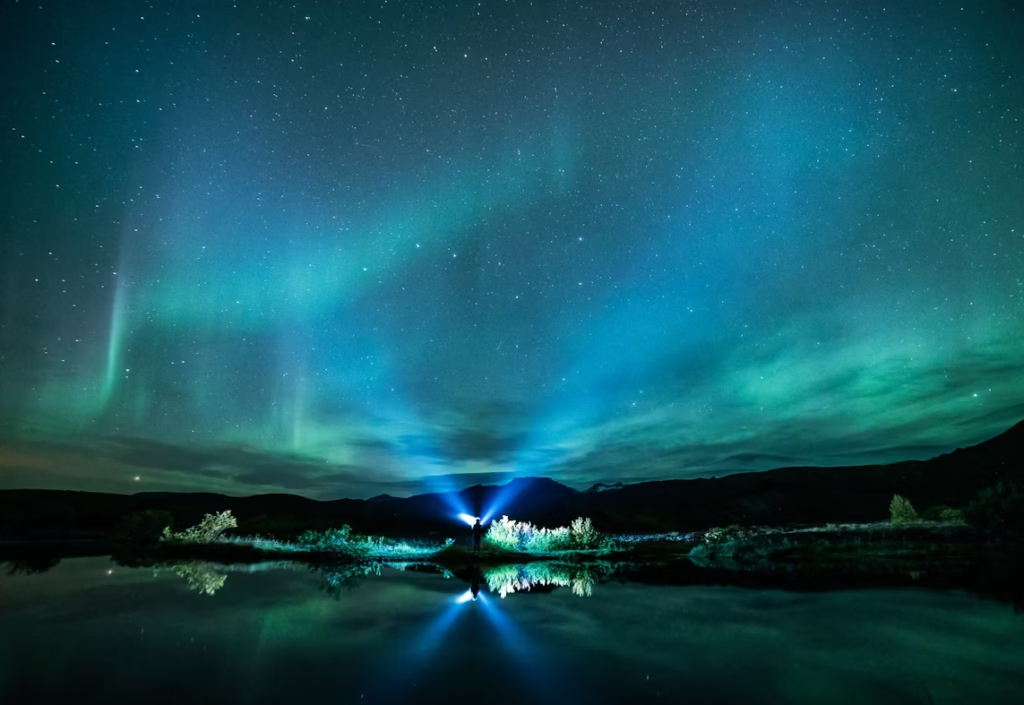
The landscape there feels like it was crafted for photographers: silent mountains, total darkness, and the giant frozen expanse of Lake Torneträsk reflecting auroras like a natural mirror. With virtually no light pollution, even faint glows become striking to the eye. And when the sky really lights up, green curtains, violet waves, sweeping arcs across the horizon, it feels like stepping into a movie scene. Picture-perfect doesn’t even begin to describe it.
But it’s not just about photos. There’s a unique vibe up there: cold, still nights under vast Arctic skies, where you wait in silence for the show to begin. Sometimes the aurora creeps in at the horizon; other times it bursts alive, as if someone flipped a switch. Whether you’re there to snap epic shots, create your best travel reel, or simply live a once-in-a-lifetime moment, Abisko delivers the kind of magic, solitude, and raw beauty only Swedish Lapland can offer. Let’s repeat it : it’s THE place to be for auroras !
How to prepare and maximize your chances
Check forecasts: Weather and Aurora activity
Before going out, always check both weather conditions and aurora forecasts. Pay close attention to cloud cover, geomagnetic activity such as the KP index, and solar wind data. Using a mix of local weather services and aurora apps helps you identify the best locations where clear skies and strong auroral activity are most likely to align.
Escape light pollution
Even a short drive of 15–30 minutes away from towns can dramatically improve visibility. Dark skies make auroras brighter and more vivid. Renting a car offers maximum flexibility, and a 4×4 is highly recommended for exploring remote Arctic areas. Guided night tours with local experts are also a safe and convenient alternative.
Be patient and flexible
Northern Lights rarely follow a fixed schedule. Activity can come in waves, so plan to stay two to three hours at each viewing location. Stay alert, scan the sky regularly, and be ready to move if clouds or weather conditions change. Patience often leads to the most memorable displays.
Photography and gear tips
To photograph the aurora, bring a sturdy tripod and a wide-angle lens, ideally between 14 and 24 mm. Common settings include ISO 1600–3200, a shutter speed of 5–15 seconds, and an aperture around f/2.8. Shooting in RAW allows better editing flexibility. Cold temperatures drain batteries quickly, so bring spares and use a headlamp with a red-light mode to protect night vision.
What to pack : Essential winter and night gear
Lapland nights can be extremely cold, so dress in warm thermal layers, waterproof and windproof outerwear, and well-insulated boots. Gloves, hats, neck warmers, and hand warmers are essential for long waits outdoors. Extra batteries, memory cards, and a reliable headlamp will make the experience smoother.
Safety and practical advice
Weather conditions in Lapland can change rapidly, so always check road and weather alerts before heading out. Roads may be icy, especially in winter, making a 4×4 more comfortable outside main routes. Avoid walking on frozen lakes or sea ice, which can be unstable, and whenever possible, travel with others. Keep your phone and GPS fully charged to ensure a safe return.
Final Thoughts
Swedish Lapland rewards those who come prepared, stay curious, and embrace its beautiful Arctic landscapes. Chase the aurora with respect for nature, enjoy local culture, and let the wild beauty of the region guide your adventure.
When you’re ready to witness Lapland’s night skies at their most magical, start planning your Northern Lights journey with Tripico and let the Arctic glow do the rest.
Discover Lapland the Tripico way
BLOG & NEWS